Curatorial photographic works exploring silence, memory, disappearance, and fragile monuments.
Silent Monuments
Venice as a fragile memory of civilization
Curatorial Dossier for “NO WAR! Art for Peace 2026”
Photographic series by Thanh Ton Tran — Switzerland
“Before becoming monuments, cities are memories in suspension.”
Curatorial Statement
Silent Monuments approaches Venice not as a location, but as a psychological landscape of collective memory.
The series transforms architectural icons into fragile, almost disappearing presences — where history is no longer stable but atmospheric.
Through blur, reduction, and silence, the work investigates how civilizations survive inside memory long after physical certainty begins to dissolve.
Conceptual Framework
The work investigates the tension between permanence and erosion, presence and disappearance.
Venice becomes a metaphor for civilization itself — suspended between survival and fading memory.
Rather than documenting architecture, the images construct emotional spaces where viewers project their own historical anxieties and memories.
Historical Resonance
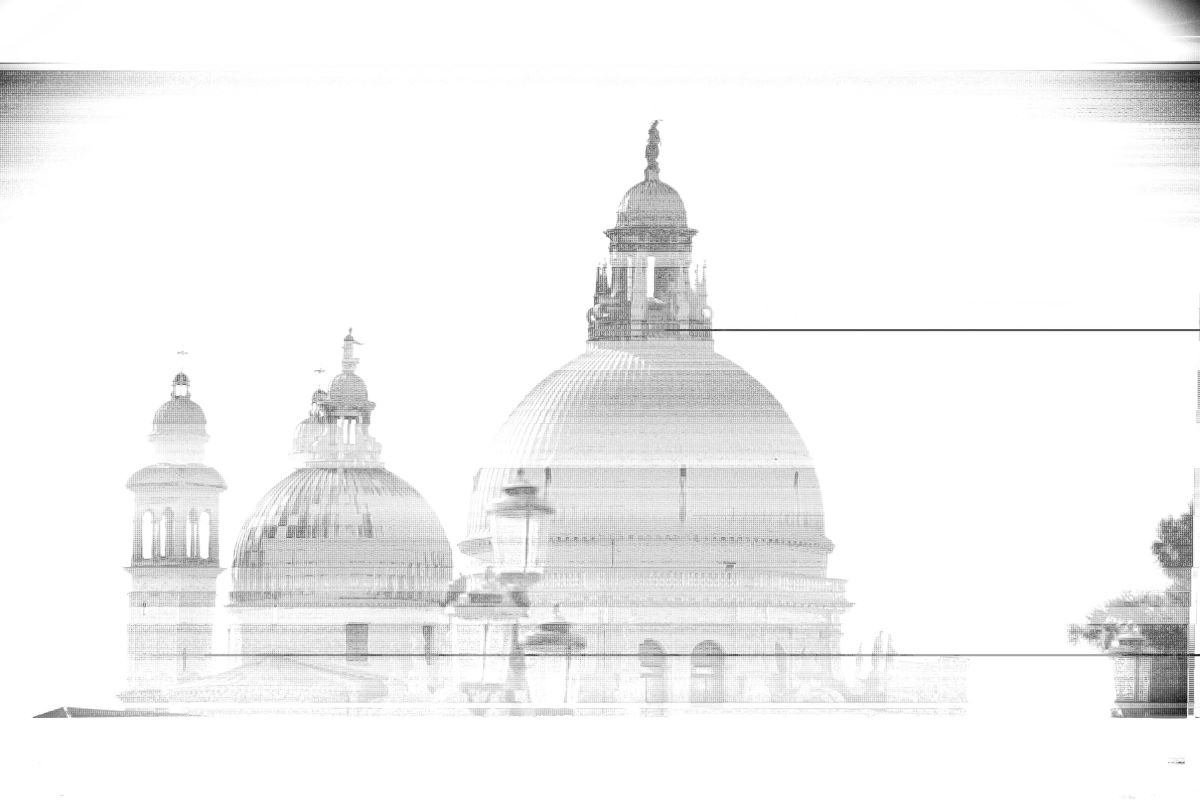
The series echoes the historical vow linked to Santa Maria della Salute, built after the plague as an act of collective survival.
This gesture becomes a contemporary reflection on fear, resilience, and the fragile construction of peace.
In the context of contemporary global instability, Venice appears simultaneously eternal and vulnerable.
Venice — Emotional Cartography
Each site functions as a psychological marker:
- Santa Maria della Salute — collective vow / survival
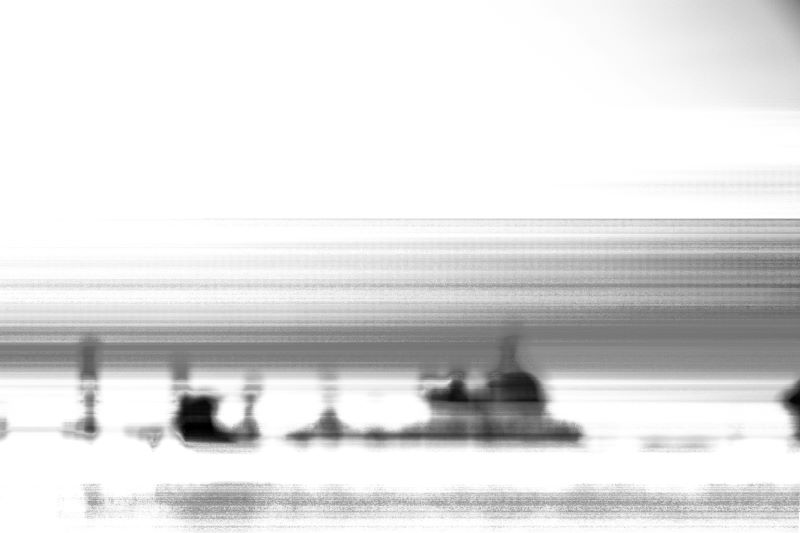
- San Giorgio Maggiore — silence / contemplation
- St. Mark’s Basilica — memory / spiritual continuity
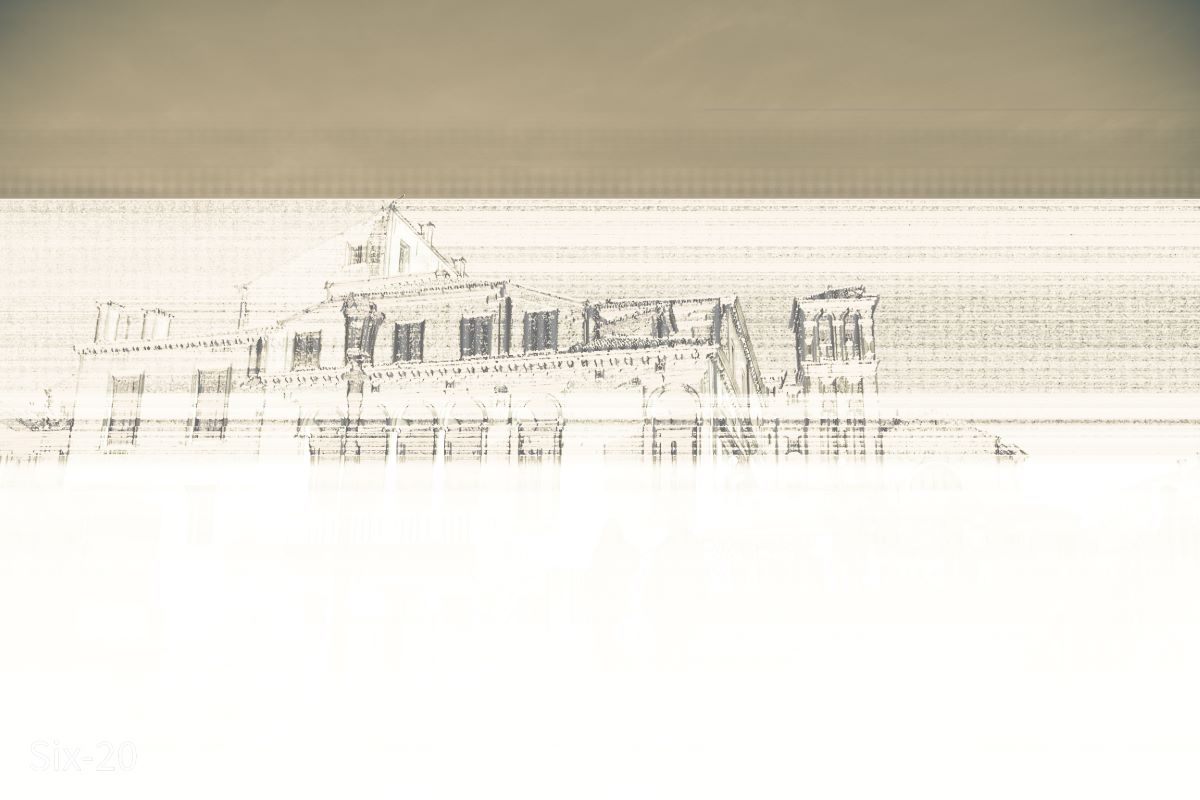
- Doge’s Palace — power / fragility
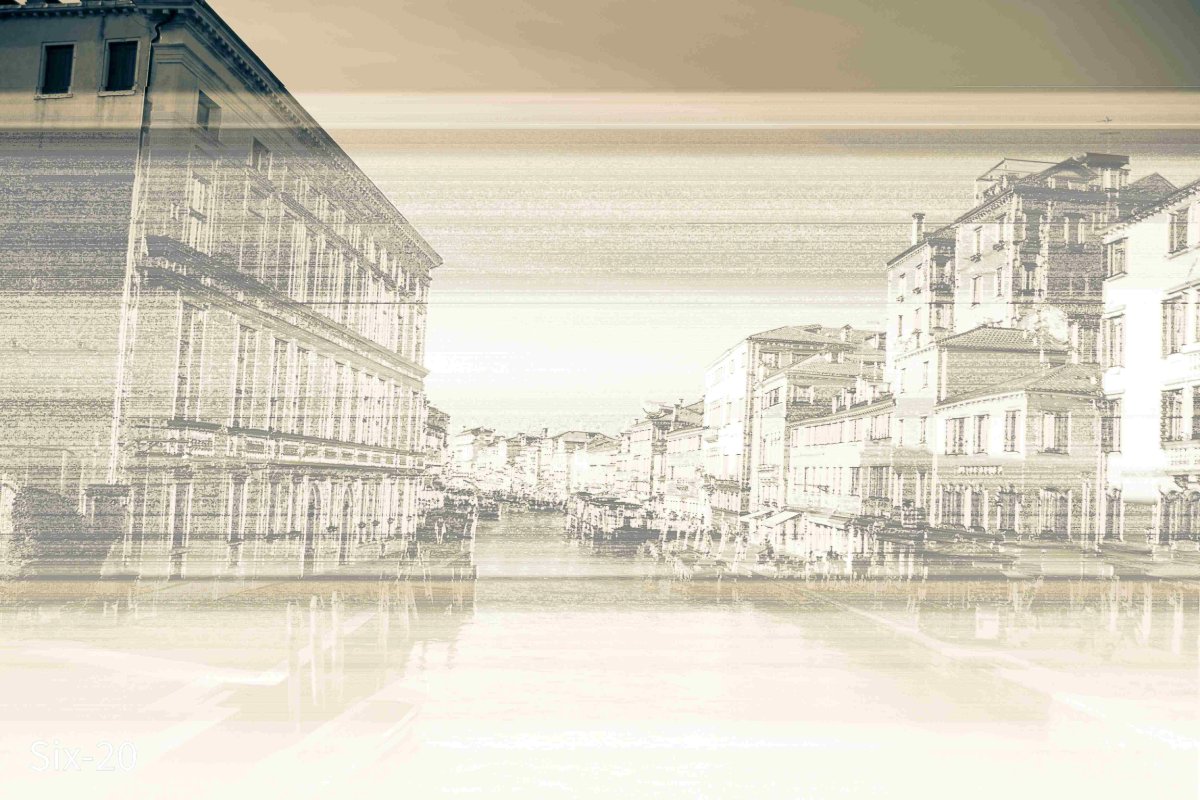
- Venetian quays — absence / waiting / time
Visual Language
The series uses black-and-white photography, reduced contrast, and controlled blur to dissolve architectural certainty.
Images are not documentary; they are perceptual spaces.
The visual instability allows monuments to become emotional presences rather than fixed historical objects.
Work 01
Santa Maria della Salute
Collective memory, vow, and survival
Work 02
San Giorgio Maggiore
Silence as spatial experience
Work 03
St. Mark’s Basilica
Spiritual memory and civic identity
Work 04
Doge’s Palace
Architecture of power and fragility
Work 05
Venetian Quays
Waiting, erosion, temporal suspension
Artist Statement
Venice is not depicted as a city, but as a state of collective consciousness.
Silent Monuments reflects on how humanity constructs memory in order to survive disappearance.
Thanh Ton Tran — photoretro.ch
Contact: photo@photoretro.ch