CHROMA
The Image Revealed, the Subject Dissolved
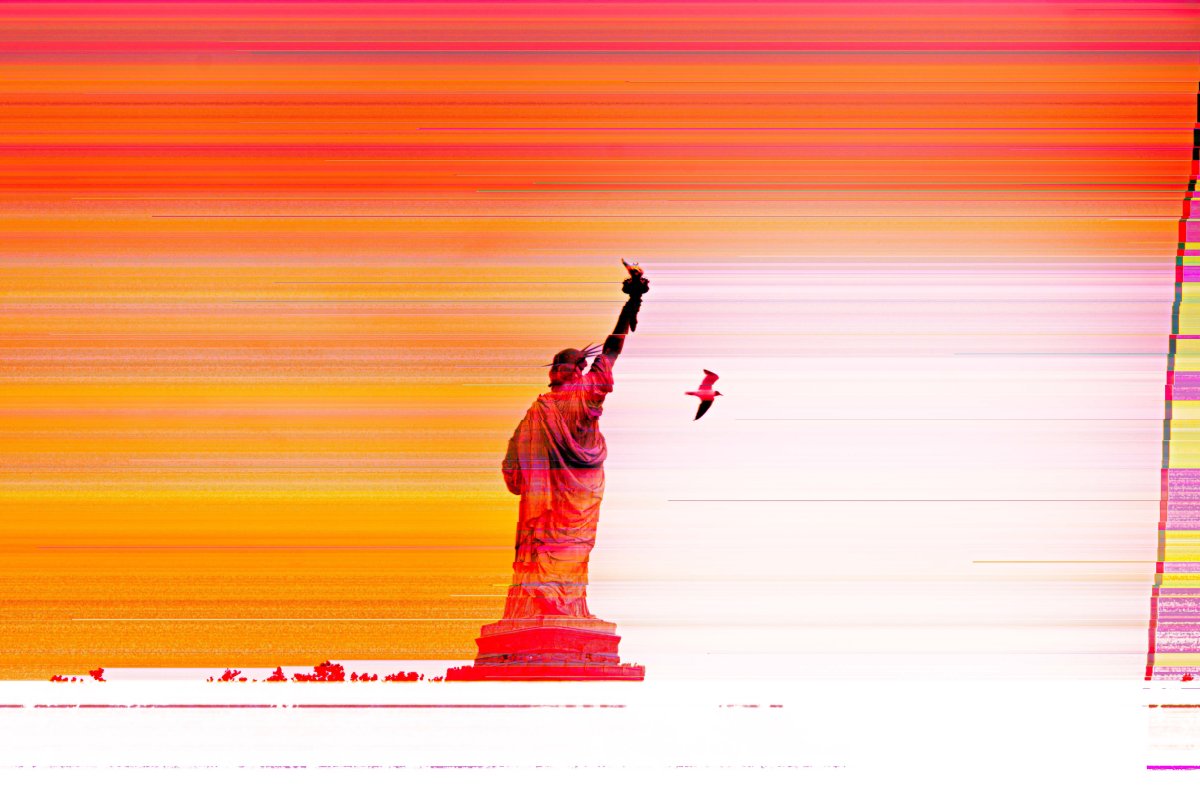
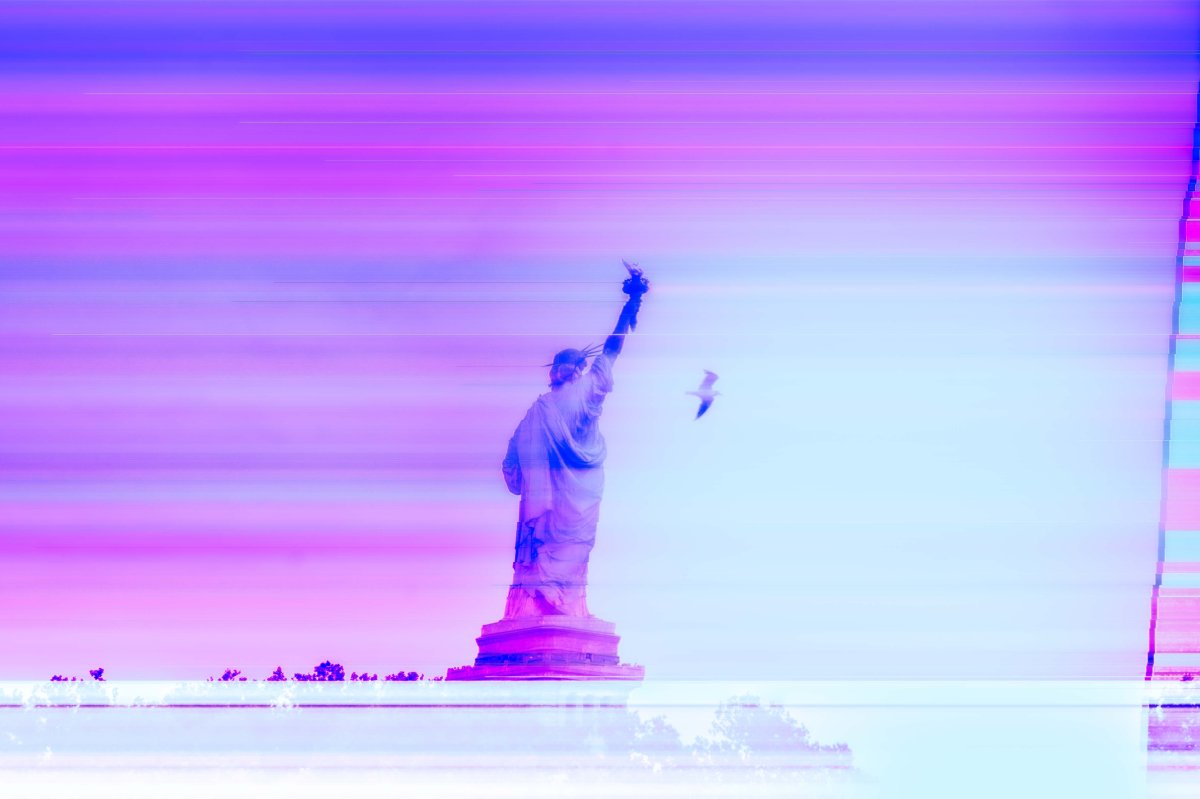
The raw base image, barely edited, still allows the photographed subject to be recognized: a dome, a silhouette of trees, a horizon line. The eye recognizes a shape, a place, an architecture. The subject is present, readable, anchored in reality.
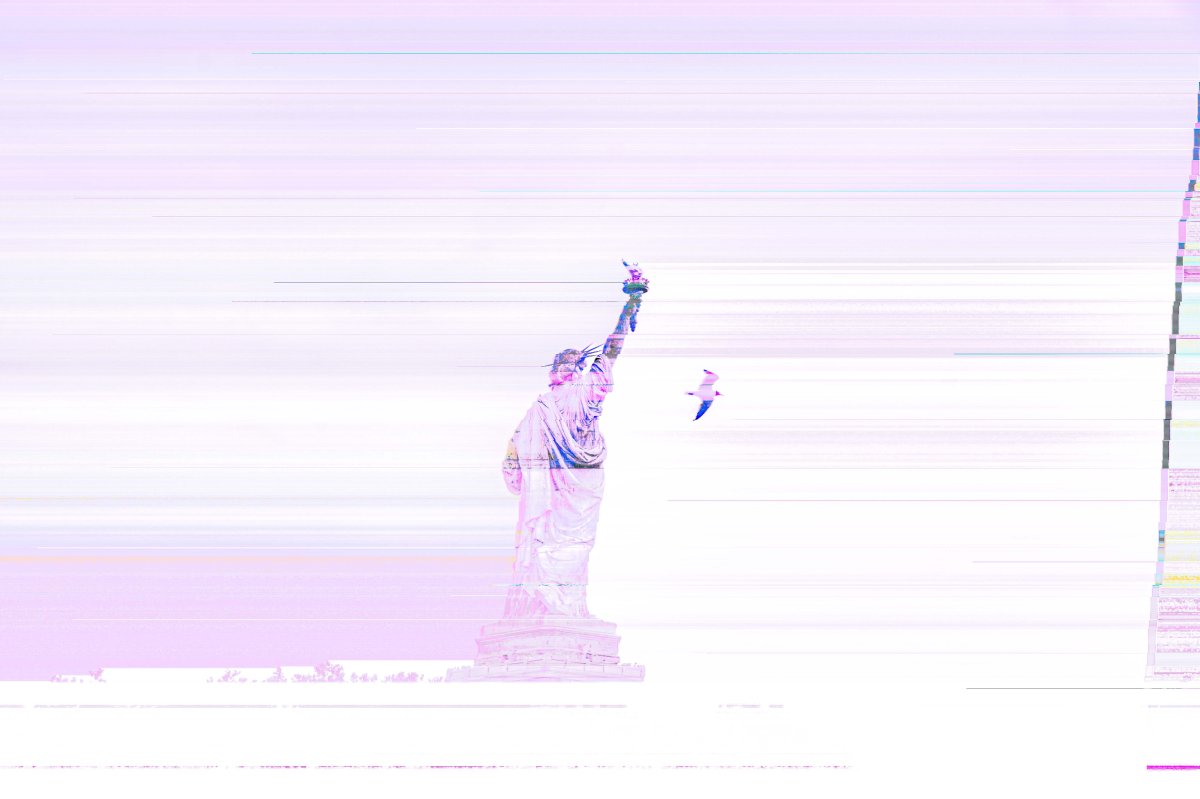
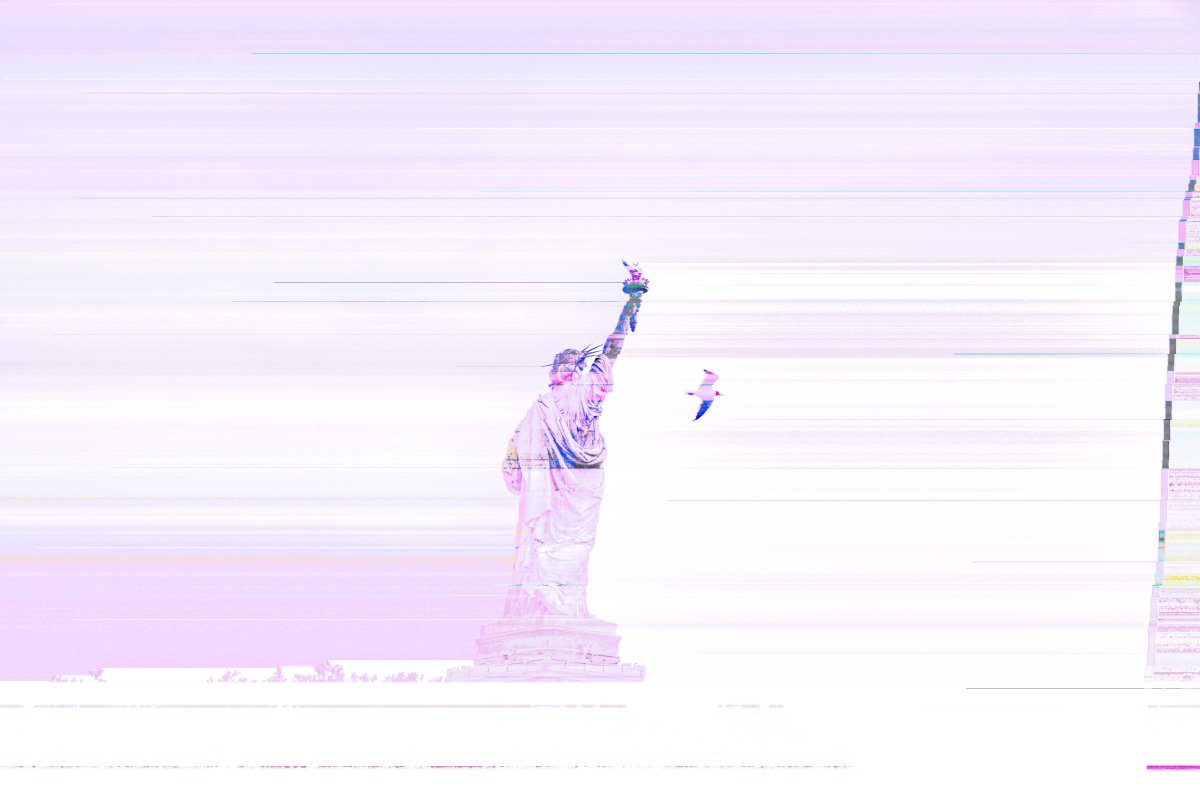
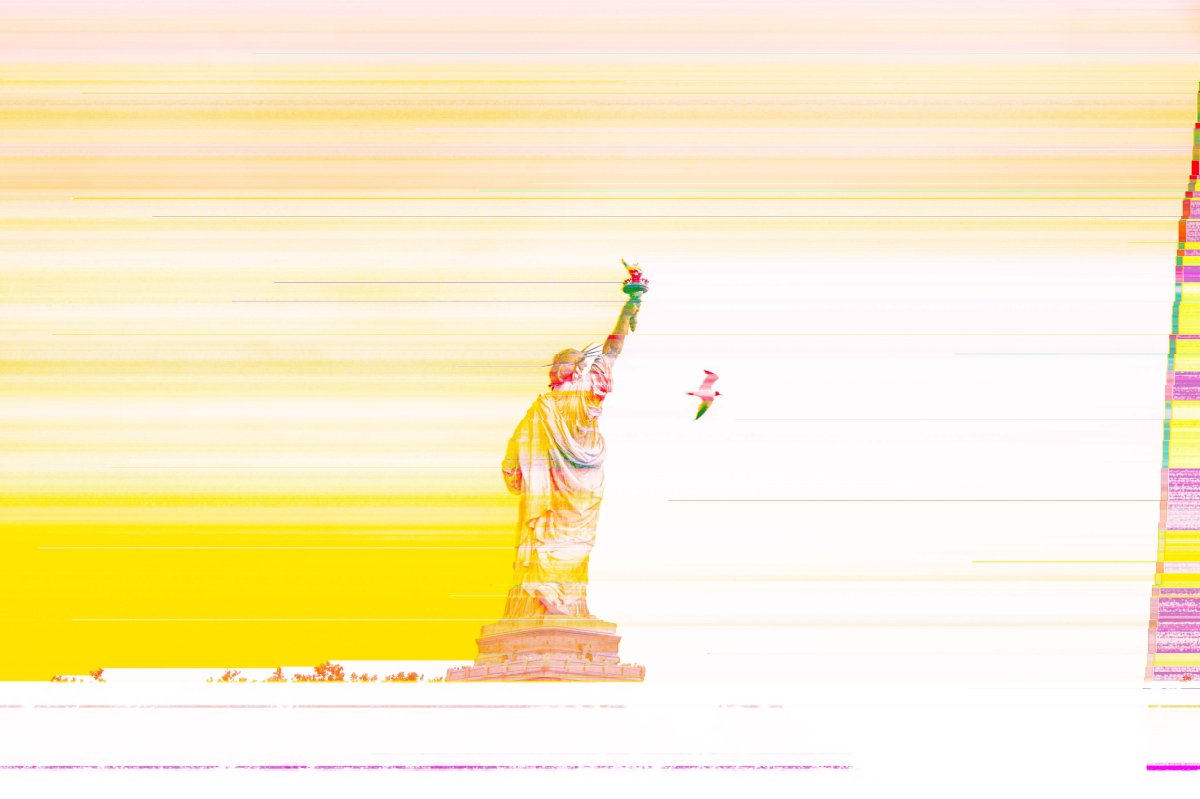
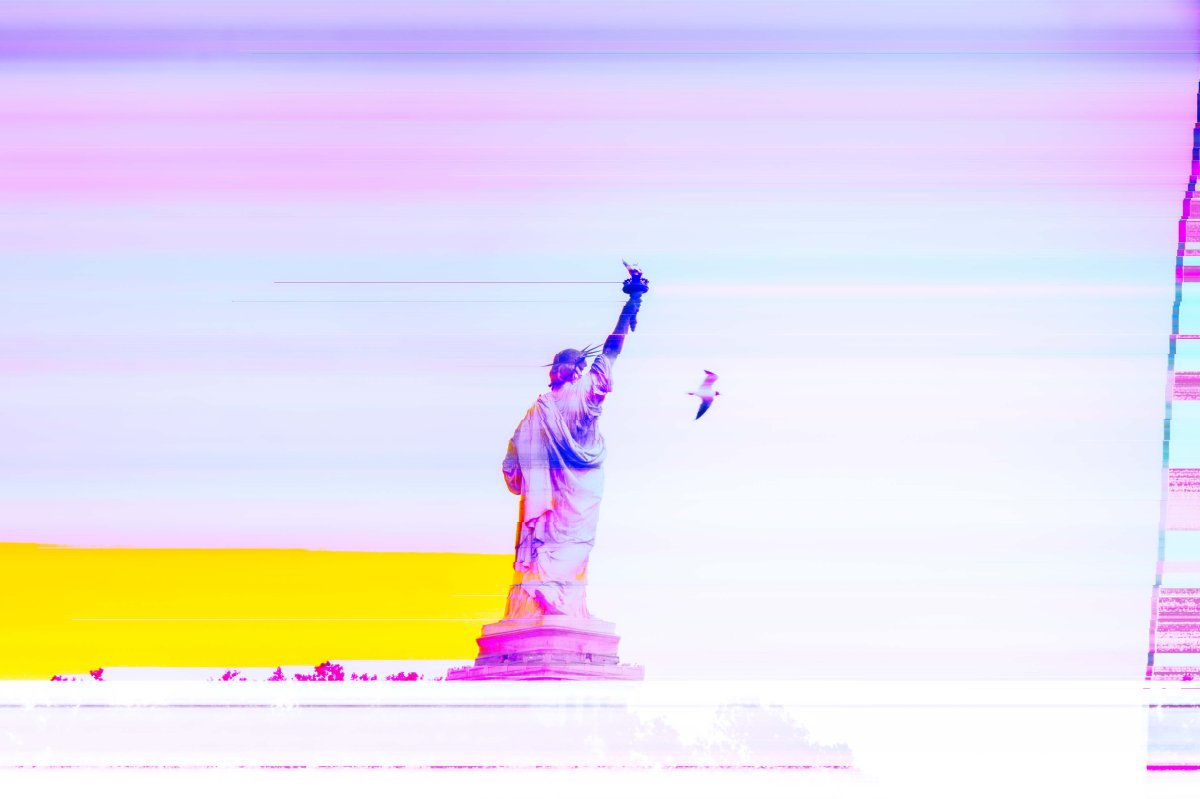
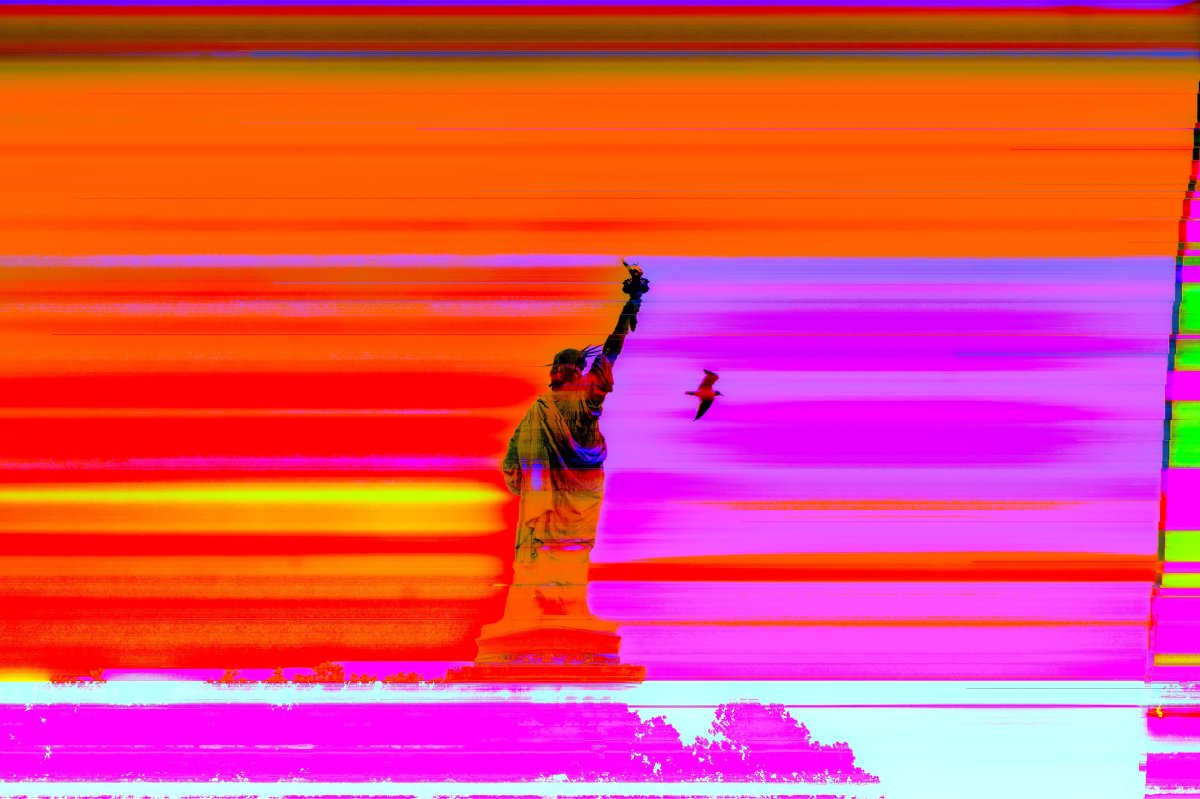
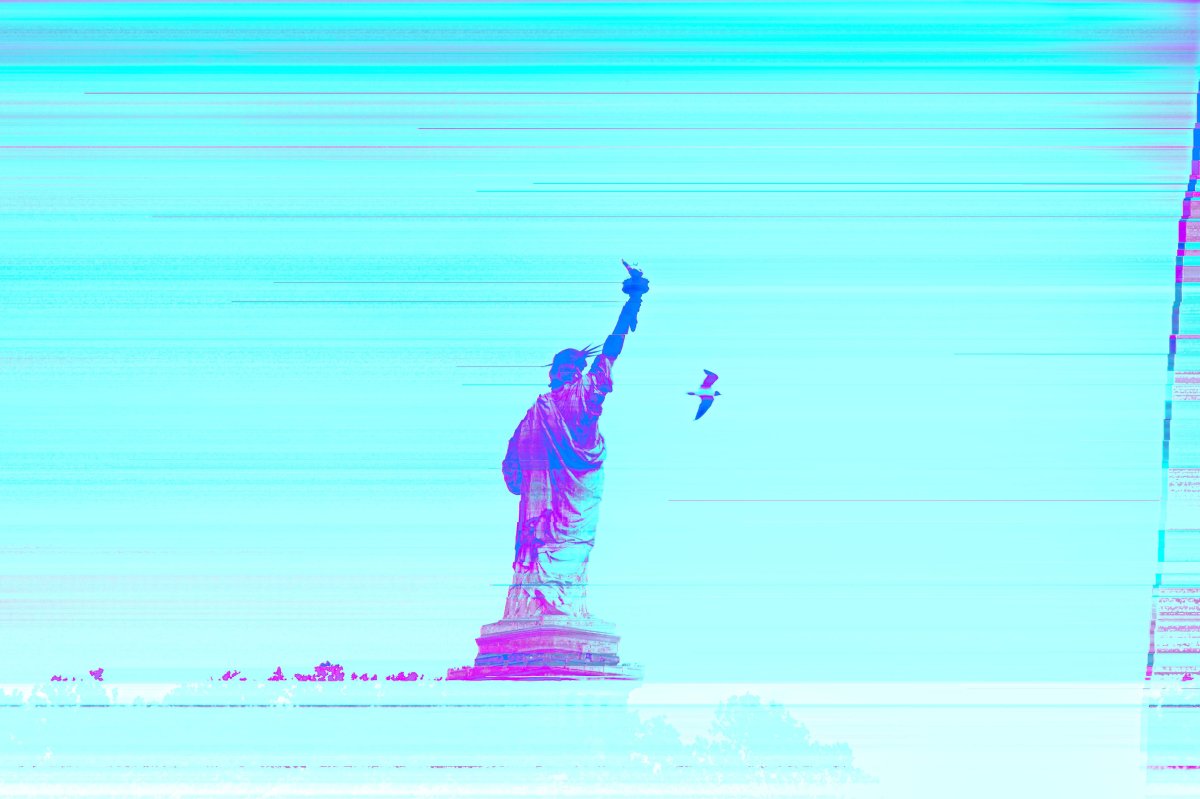
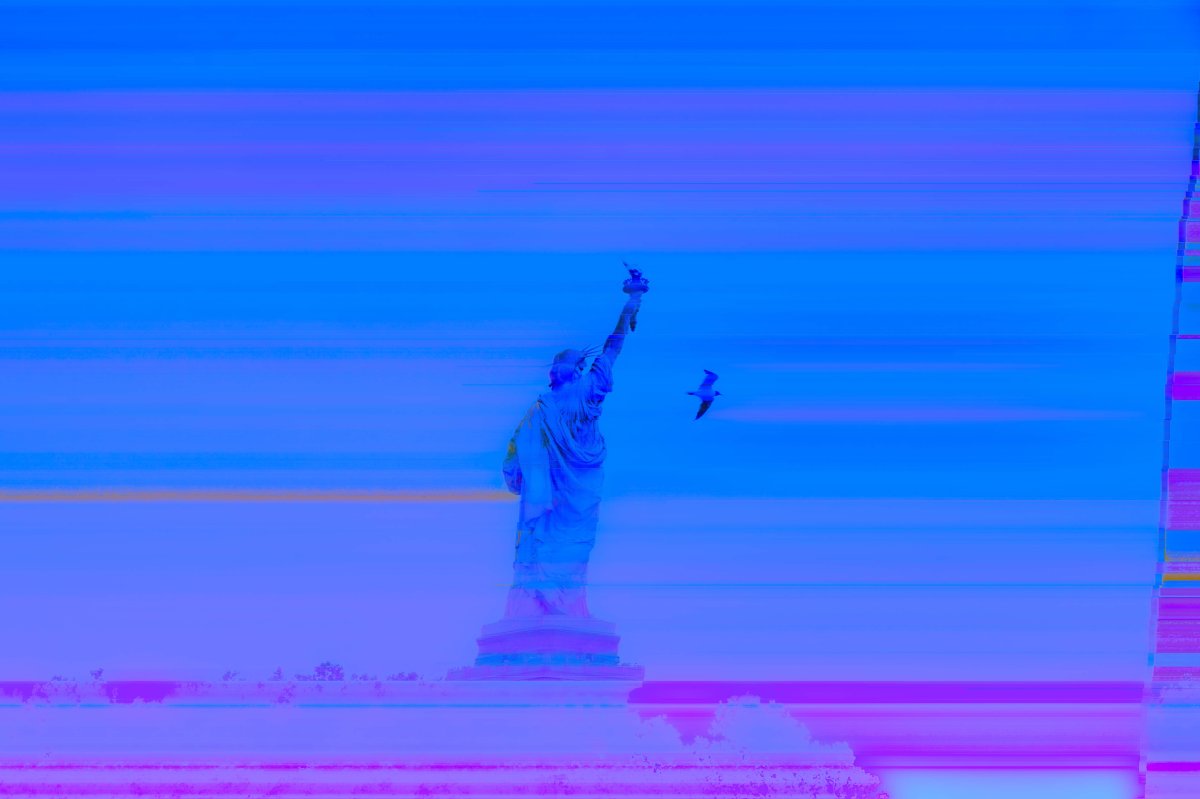
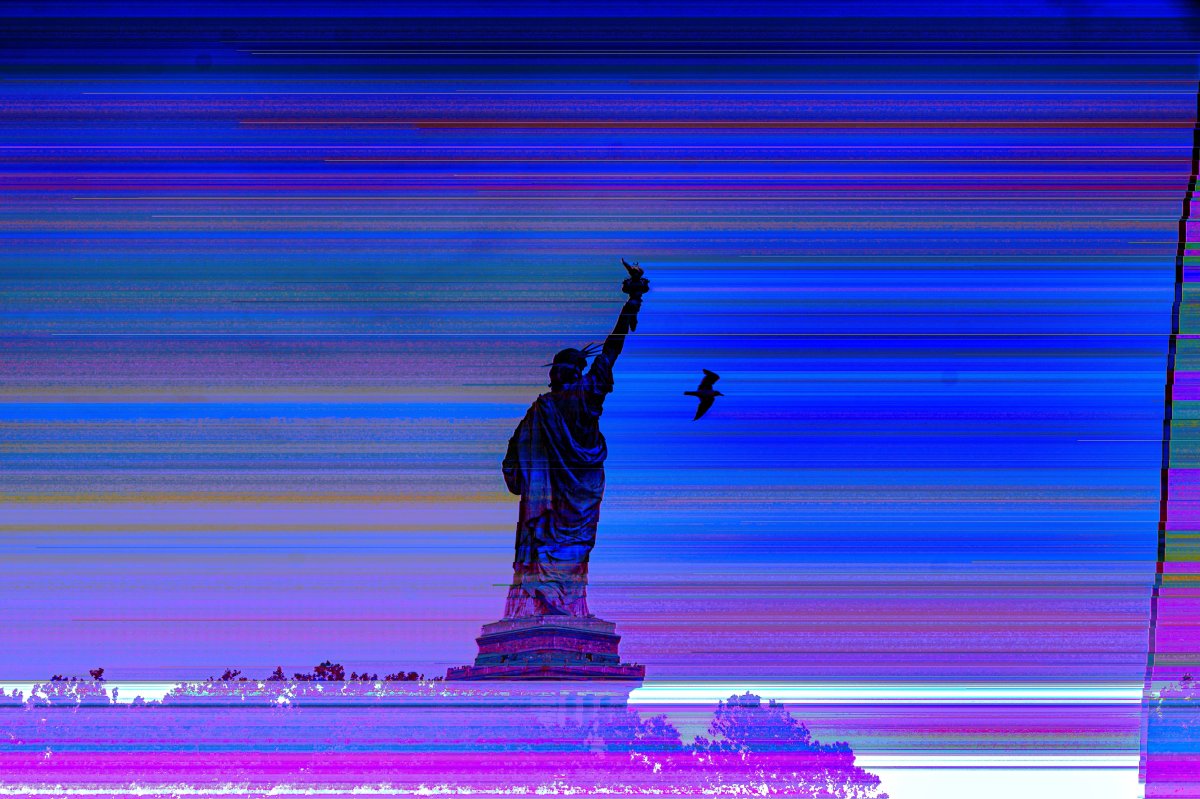
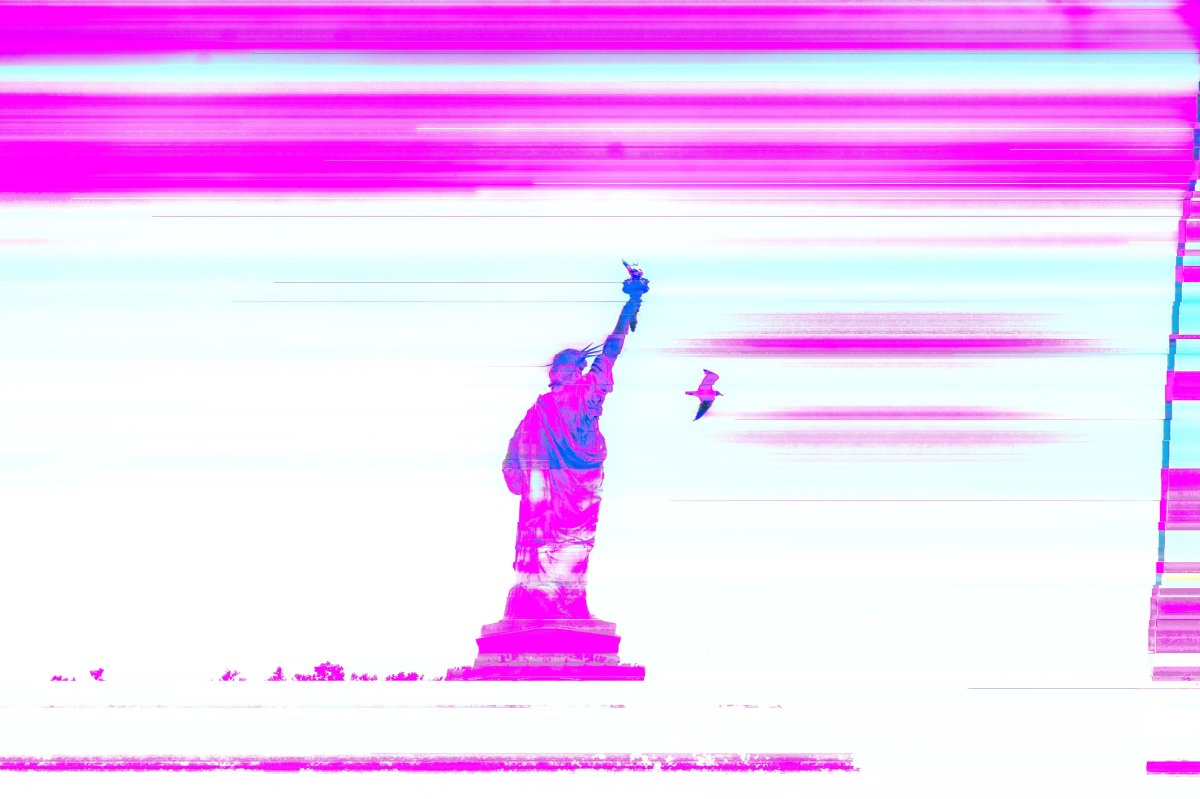
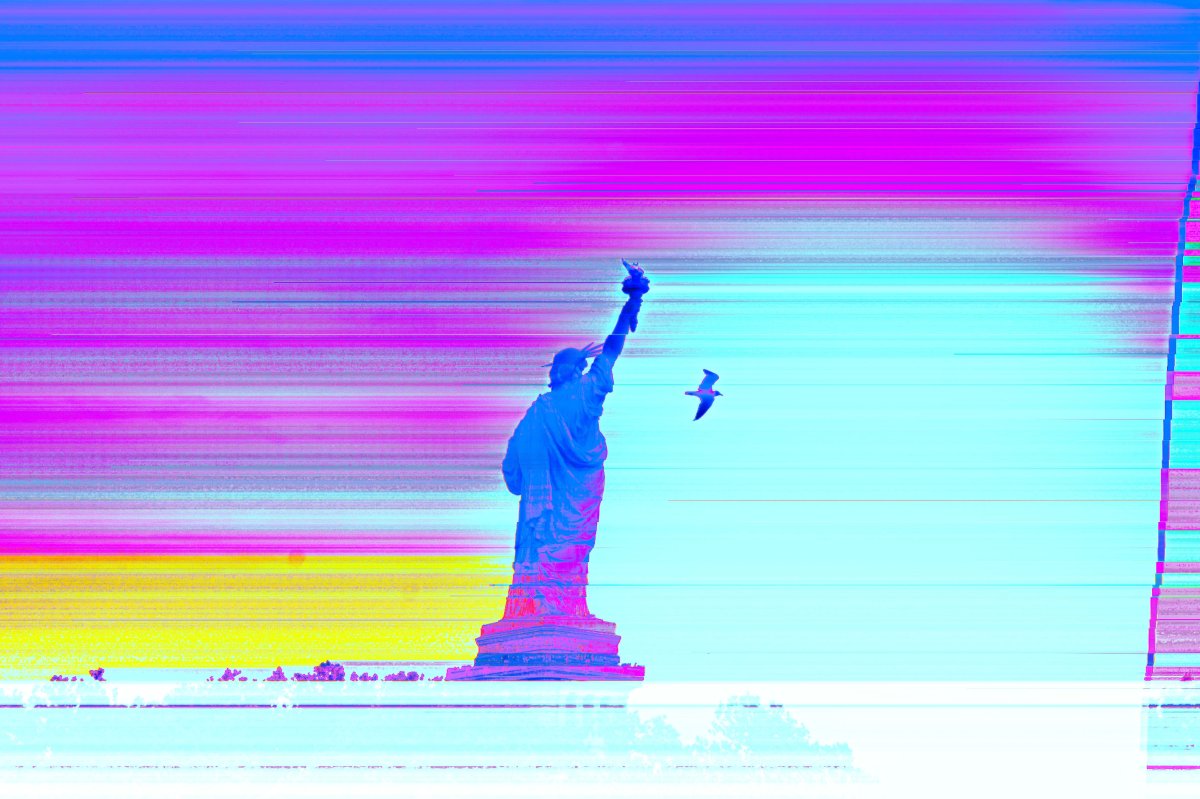
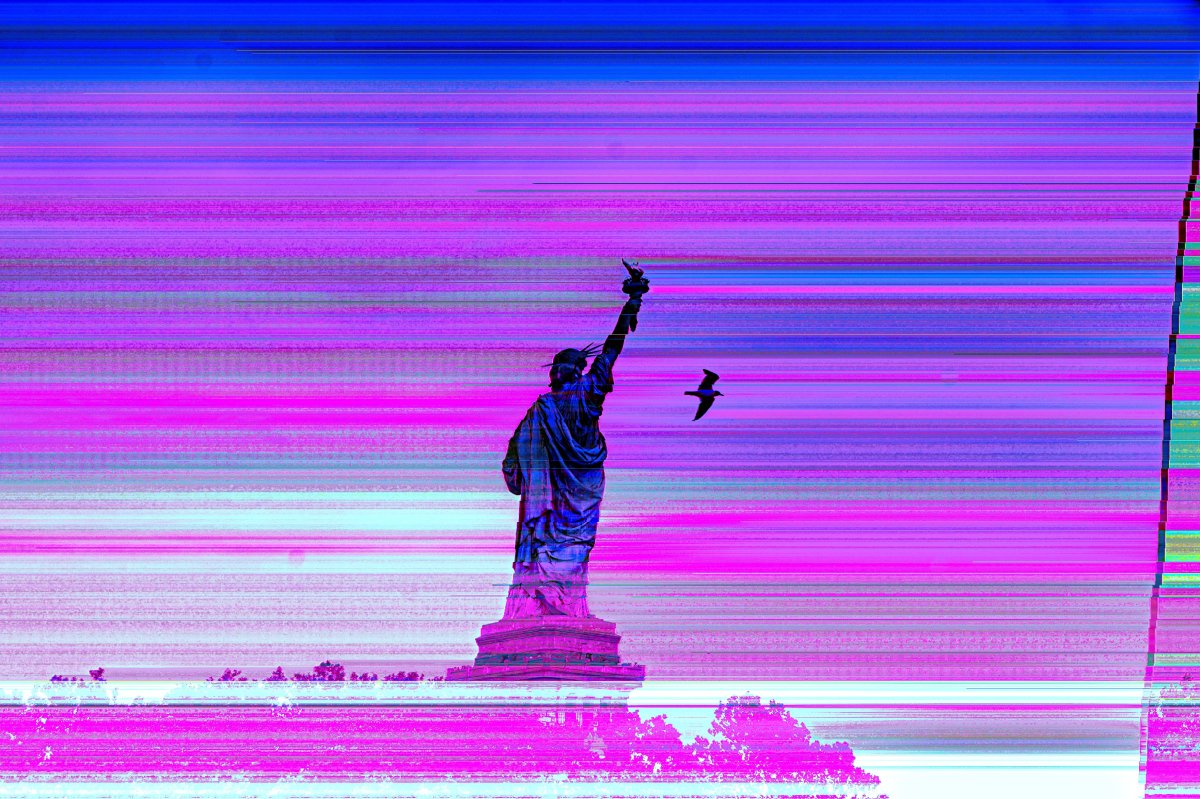
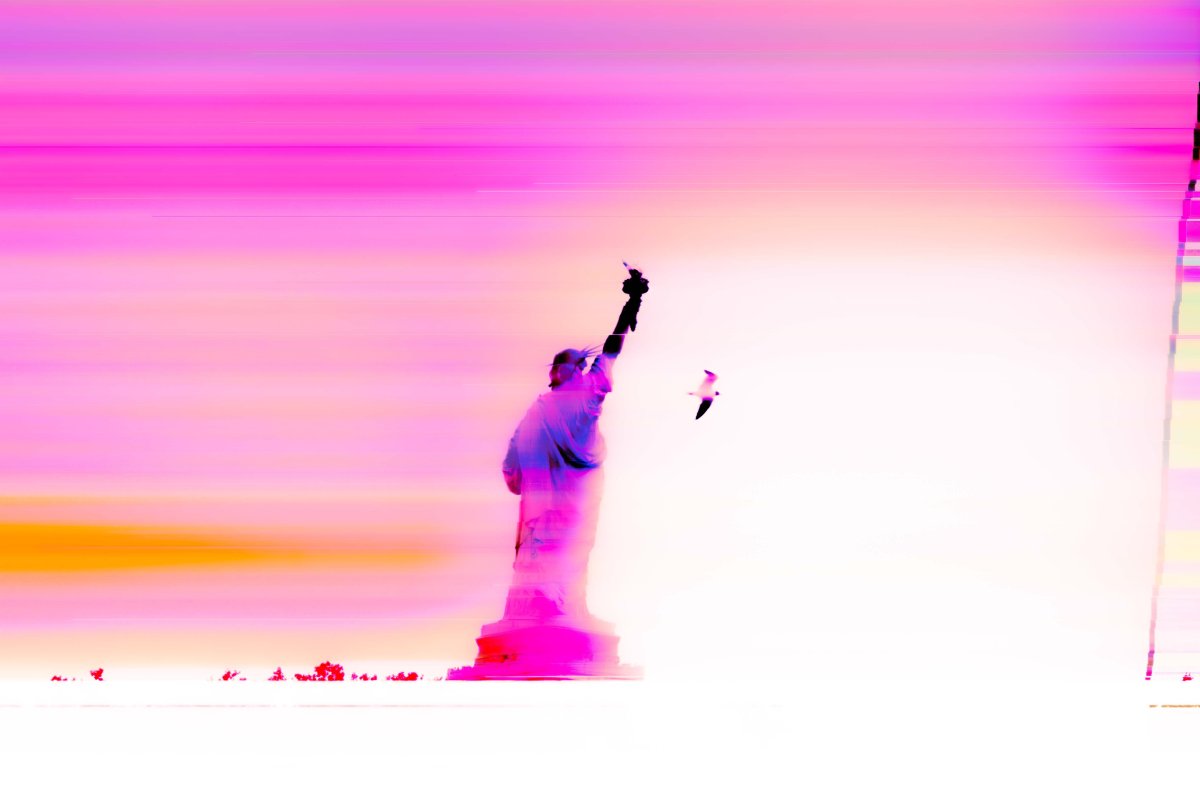
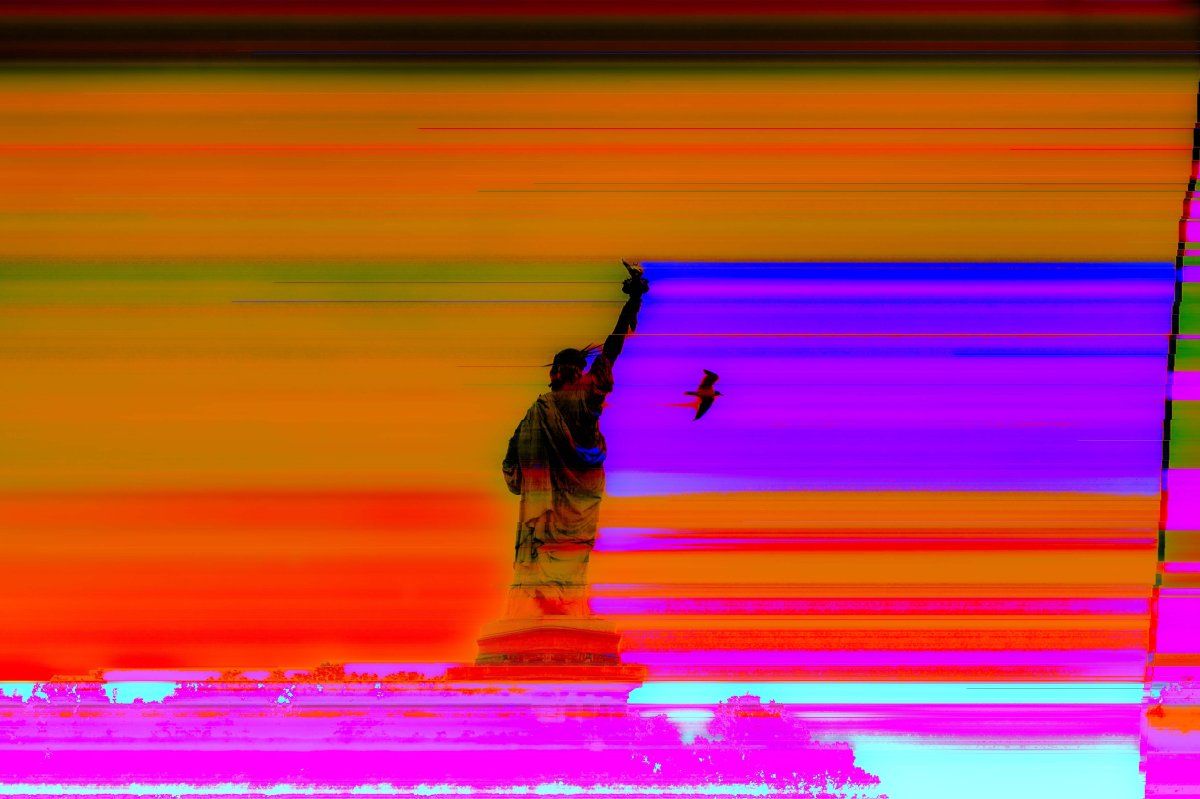
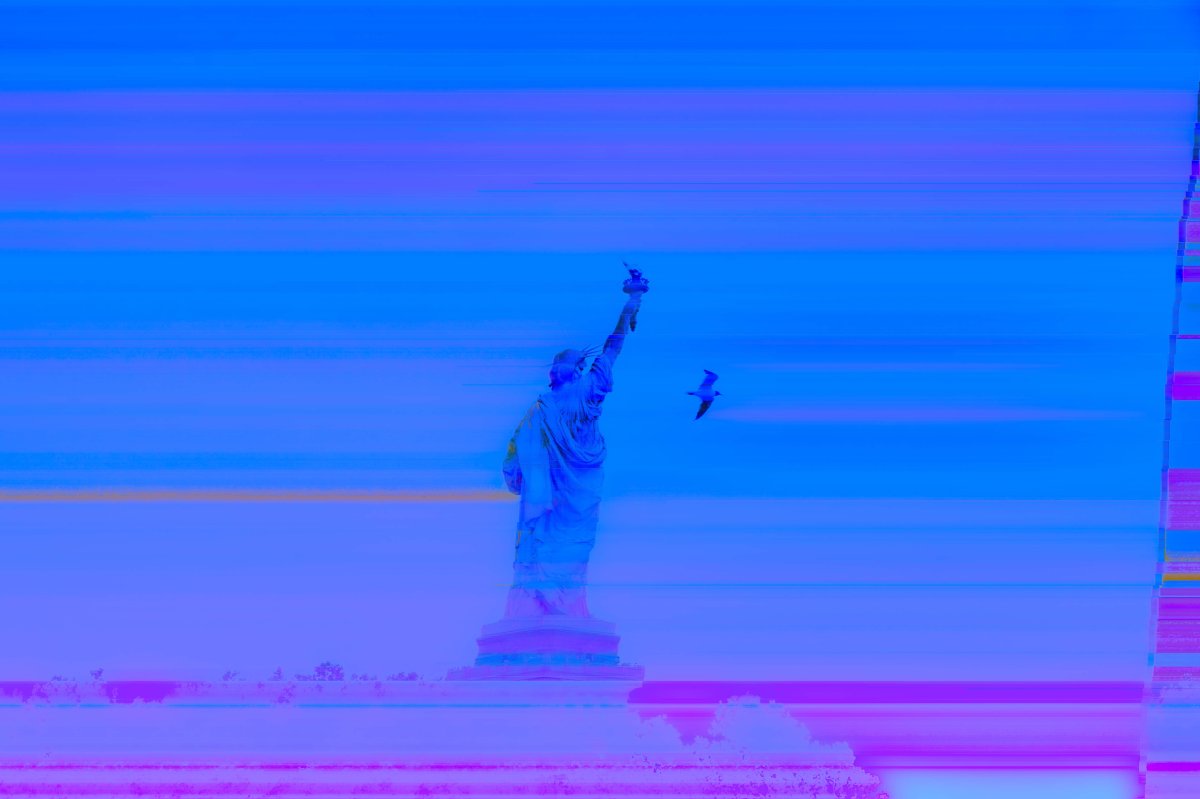
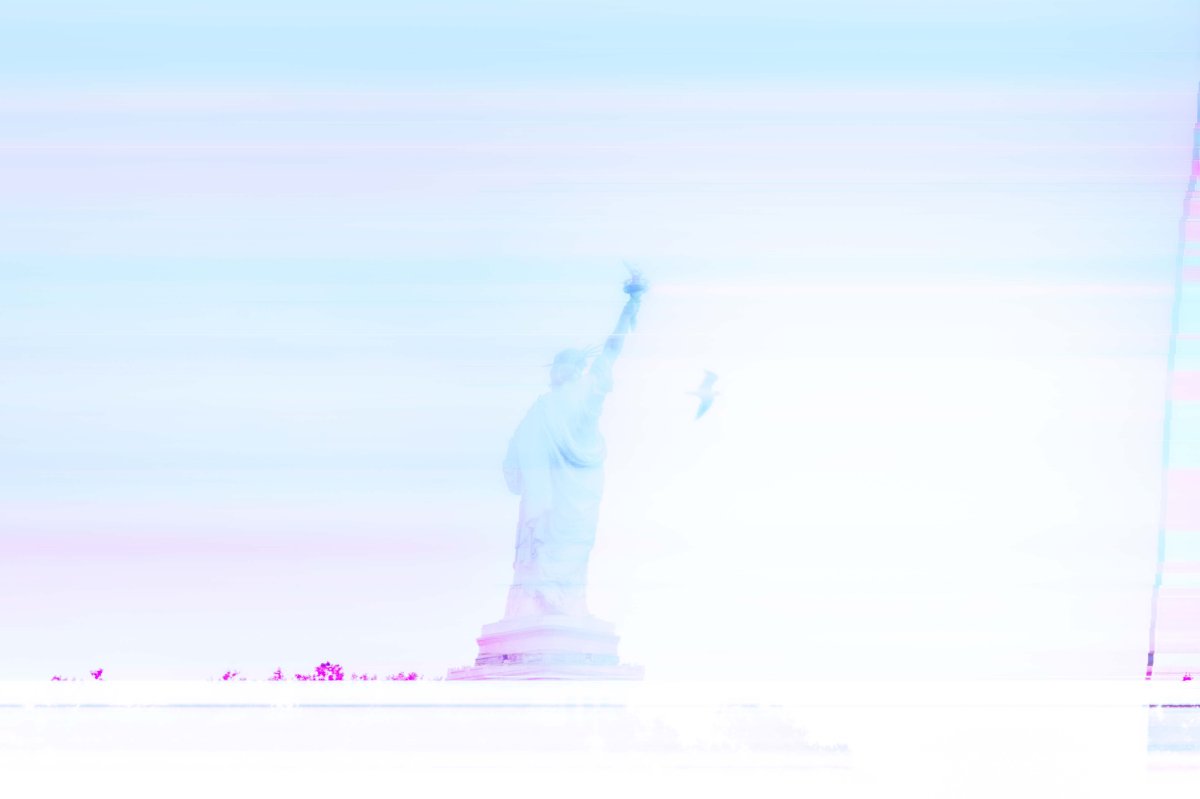
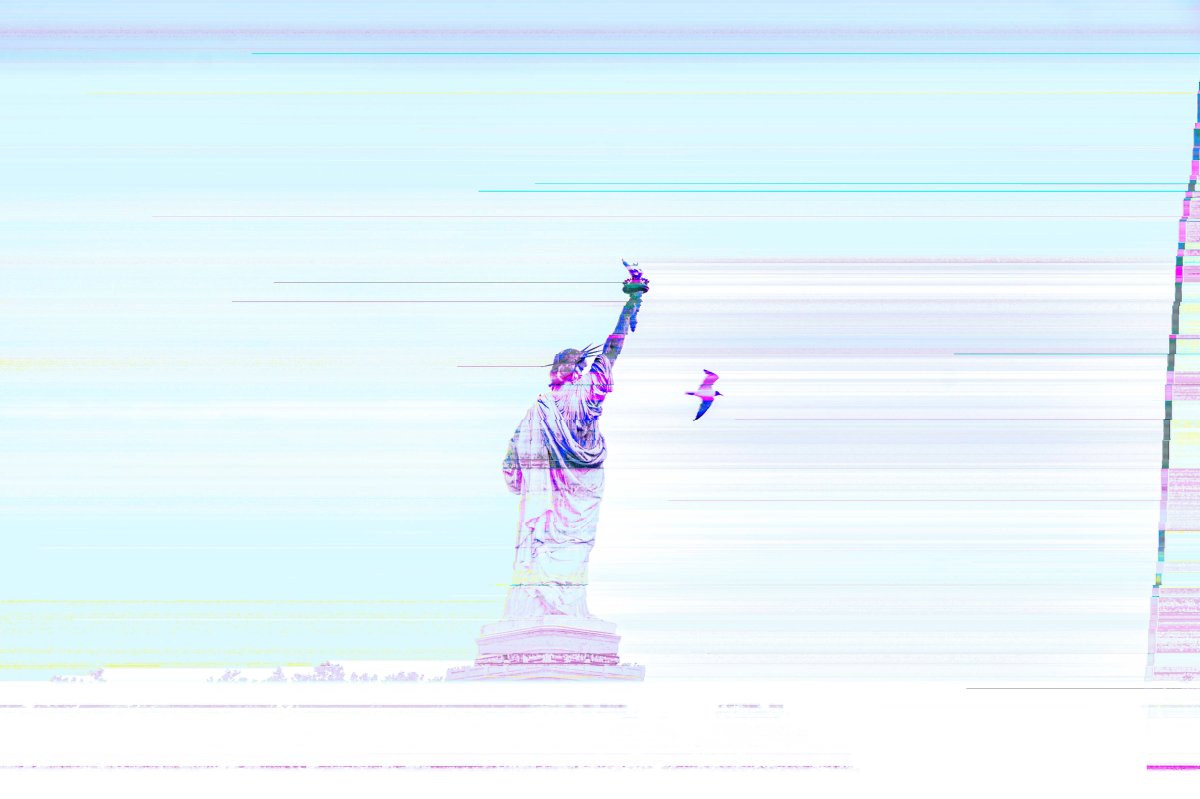
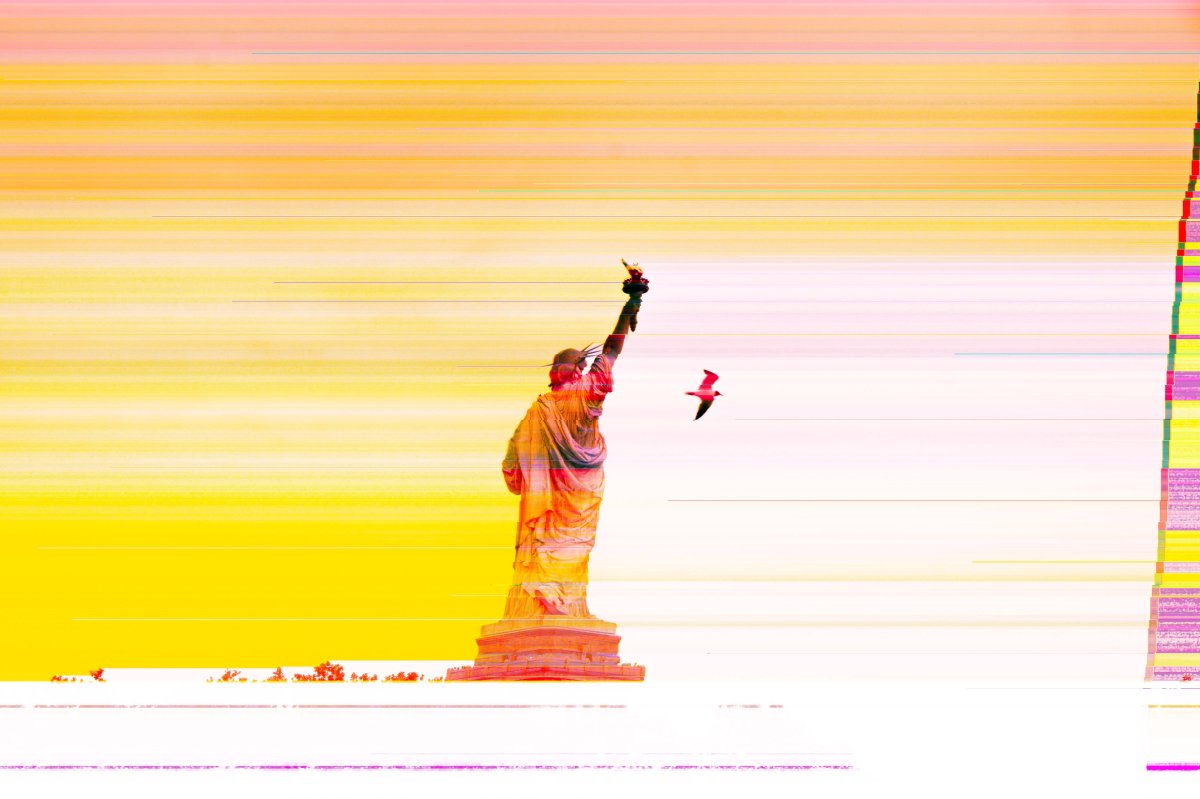
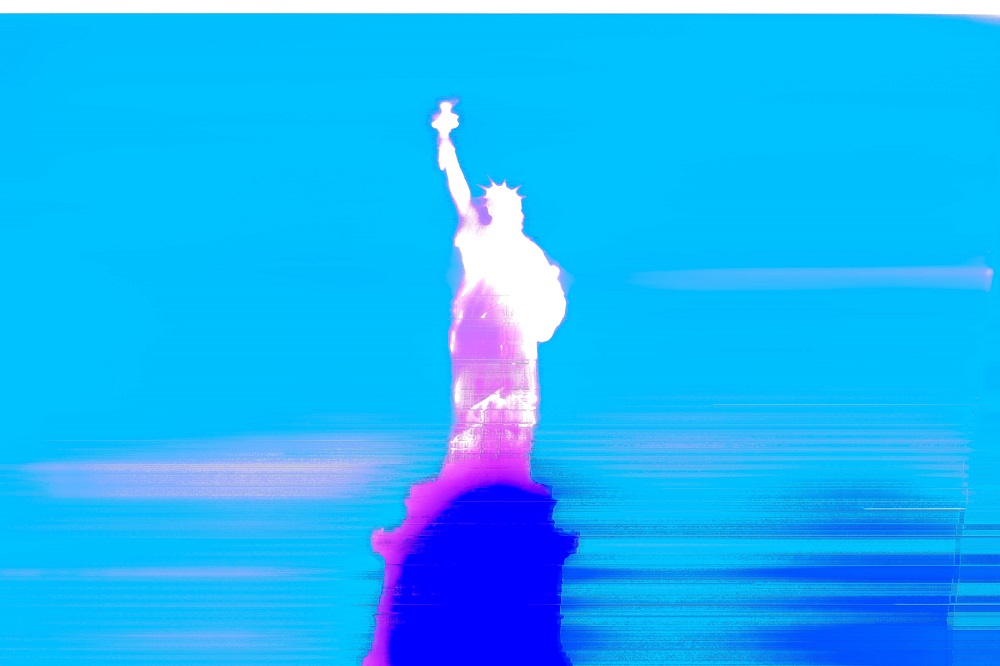
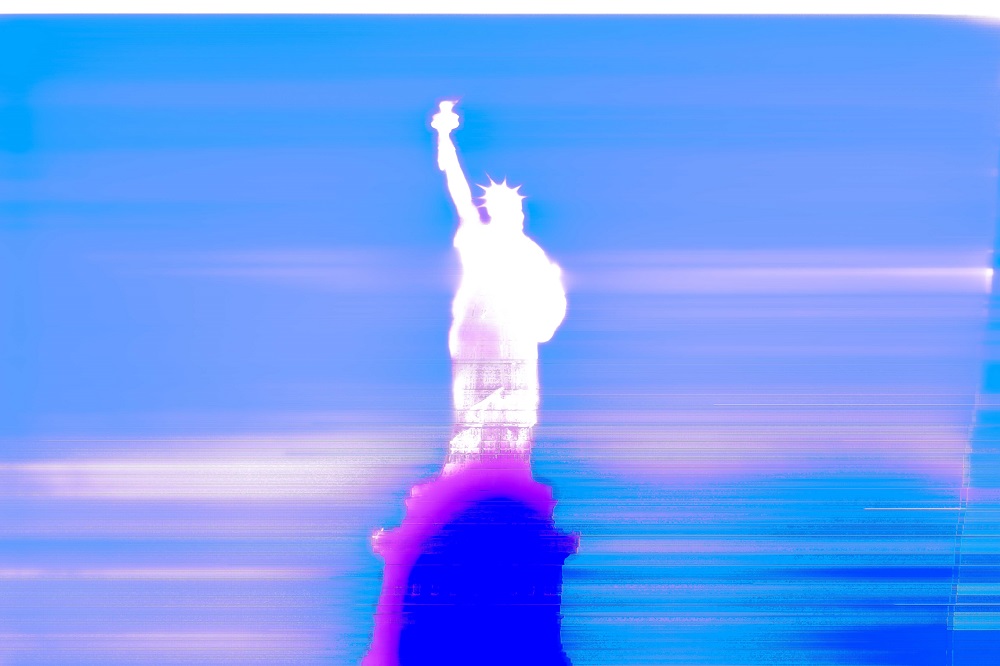
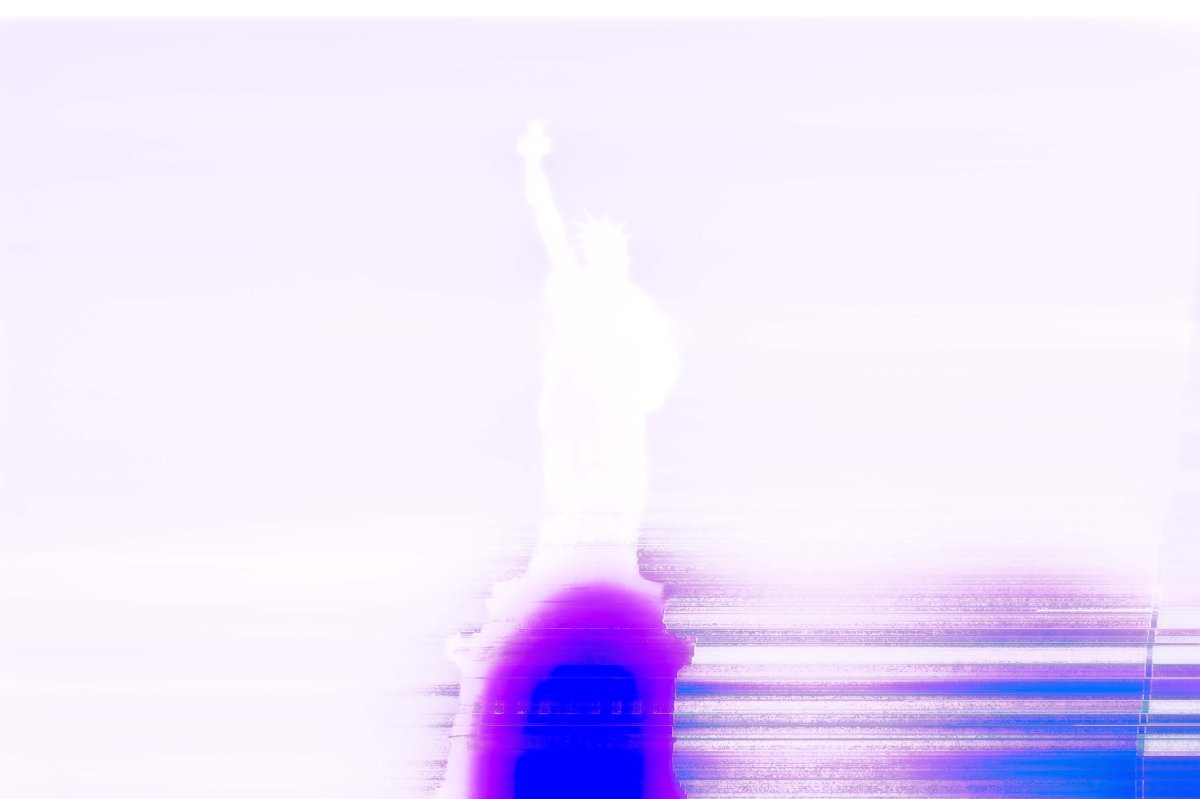
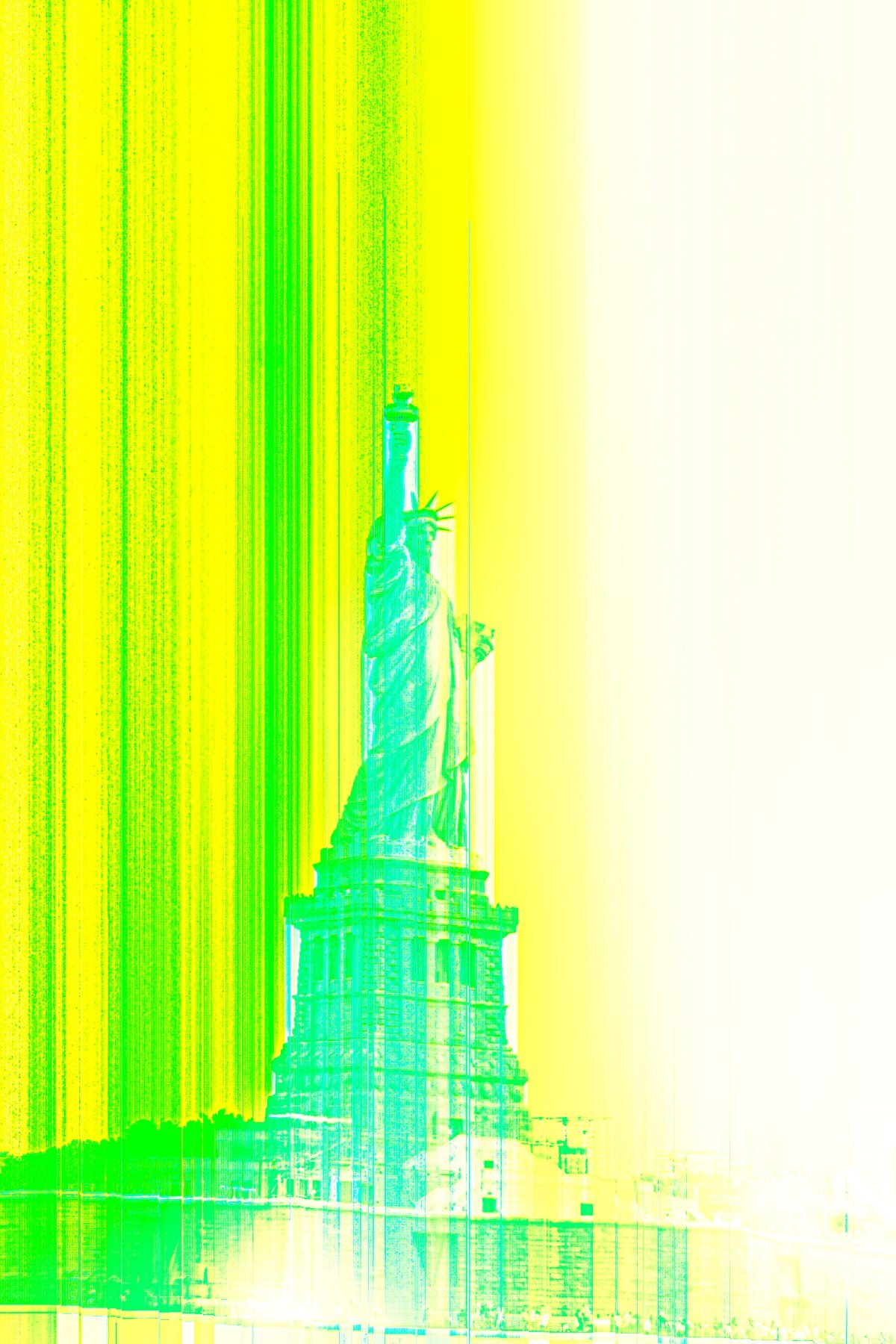
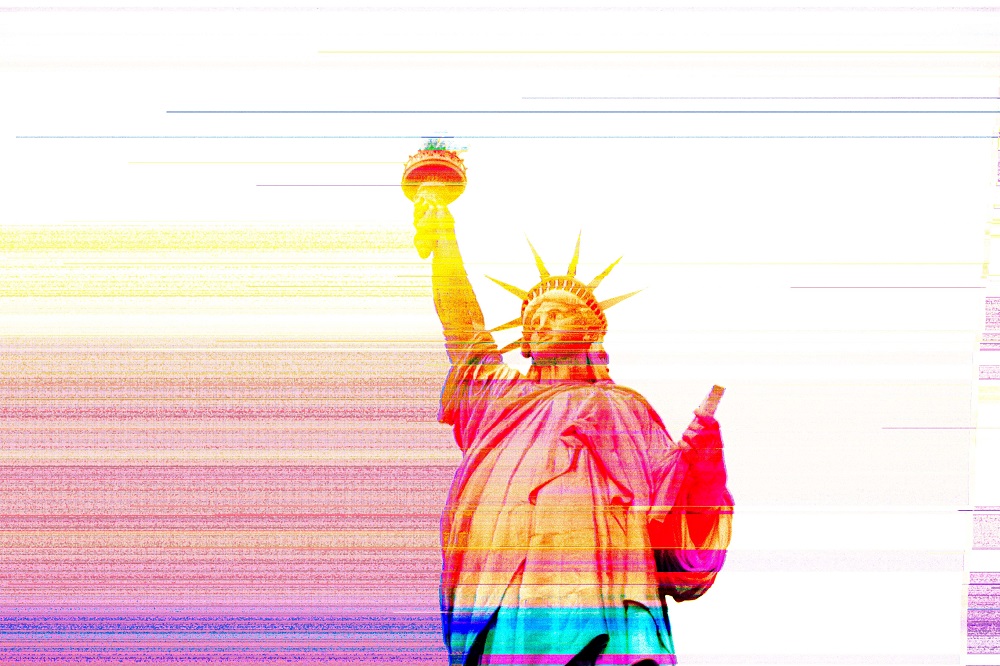
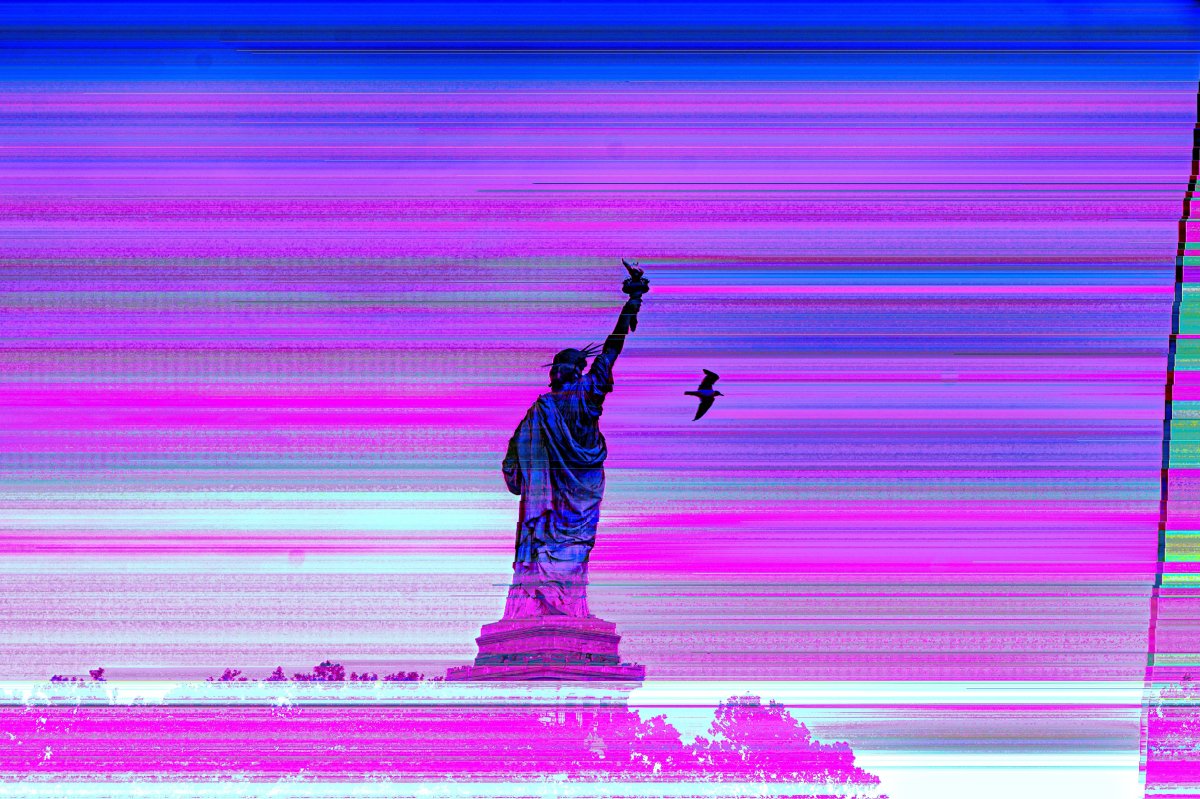
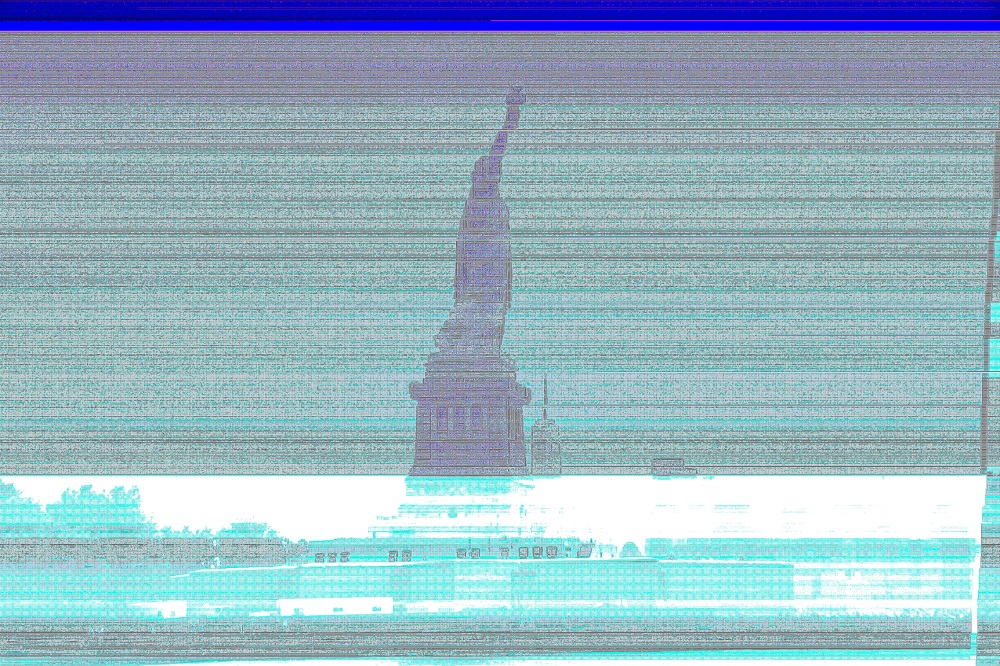
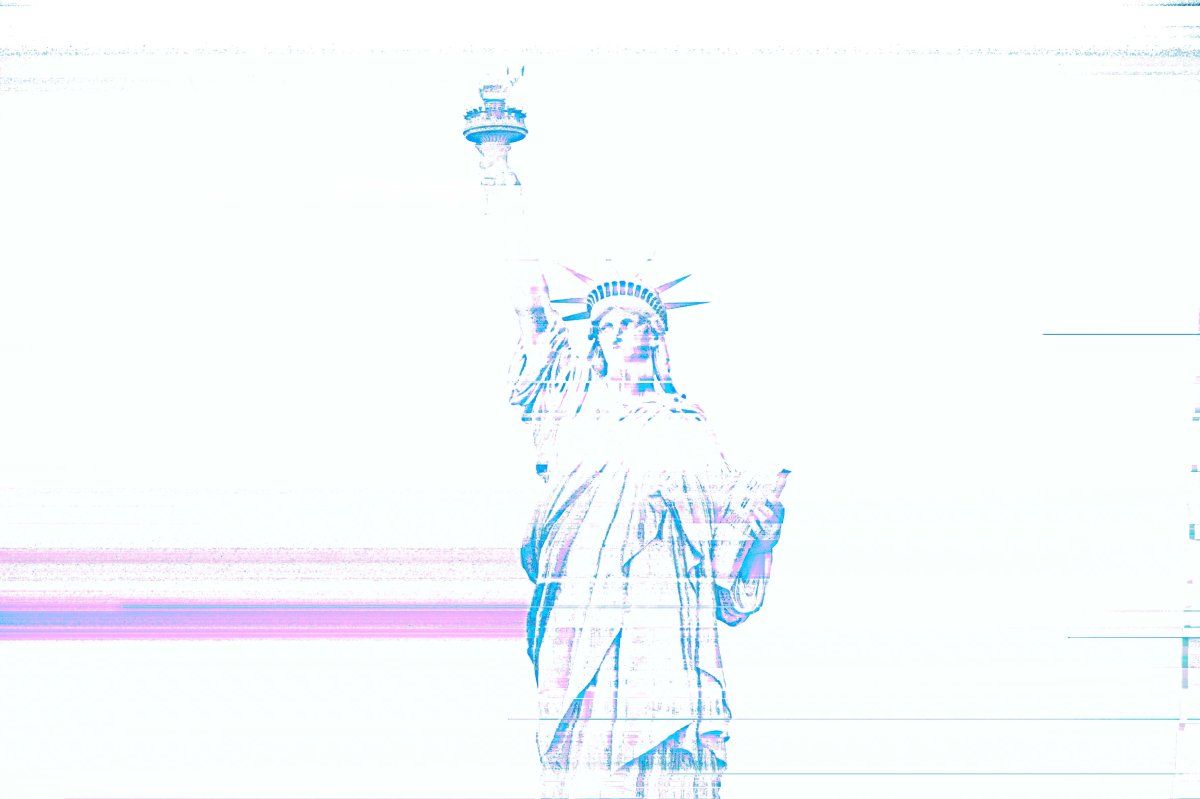
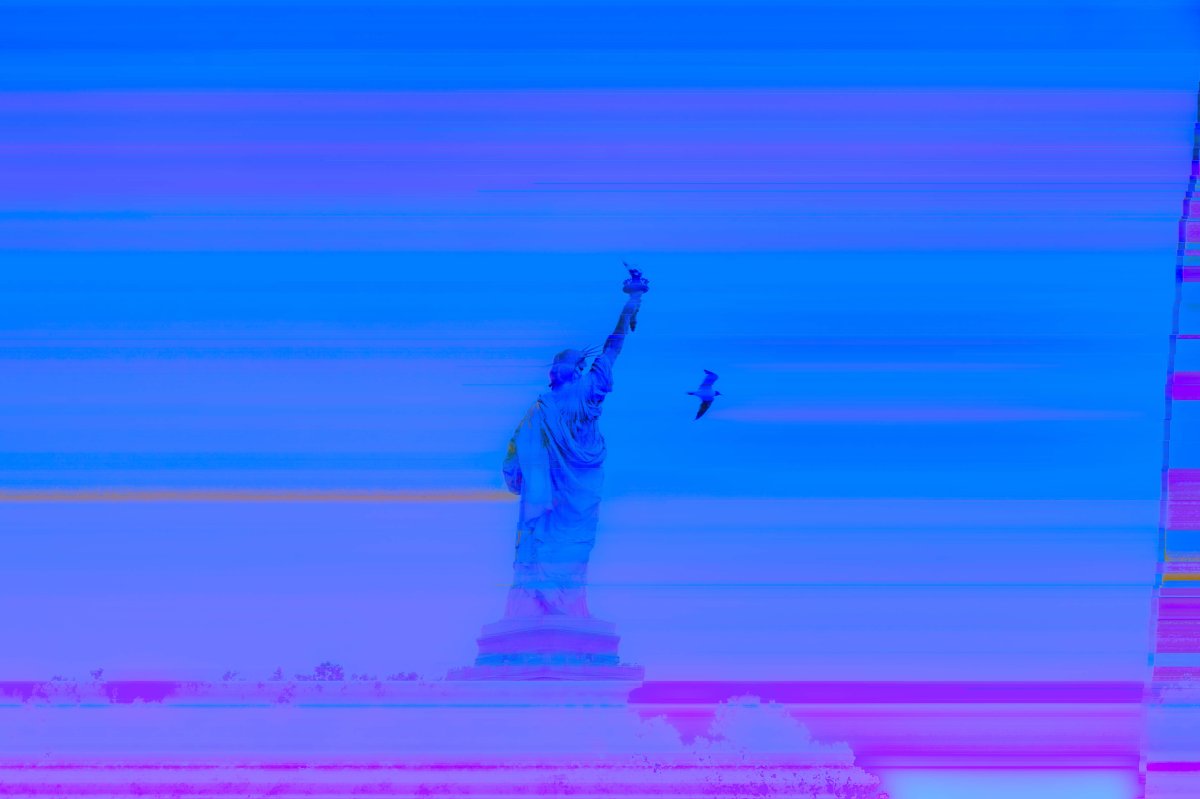
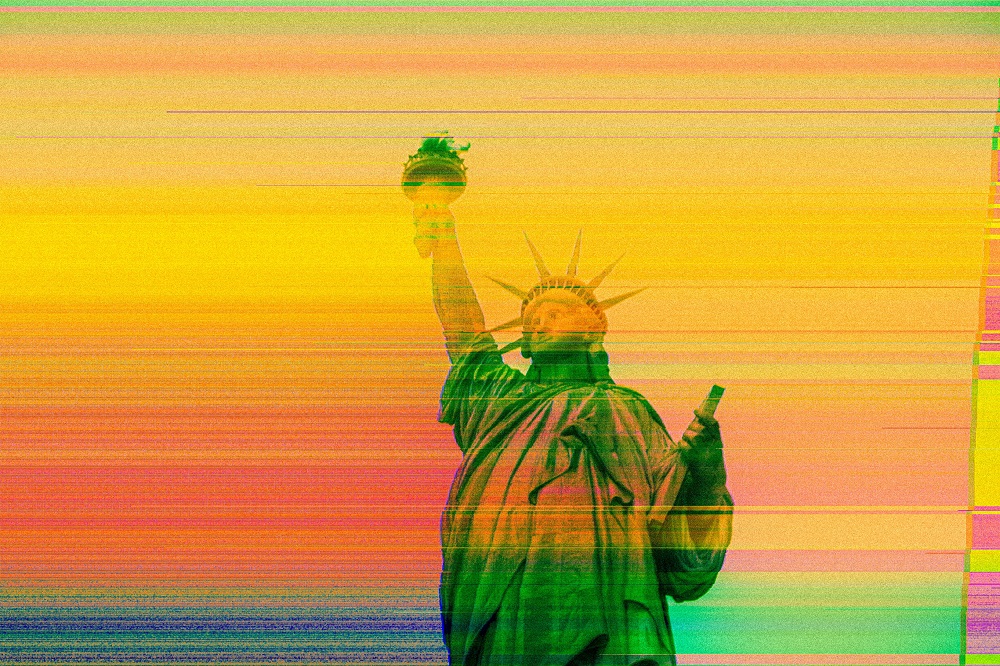
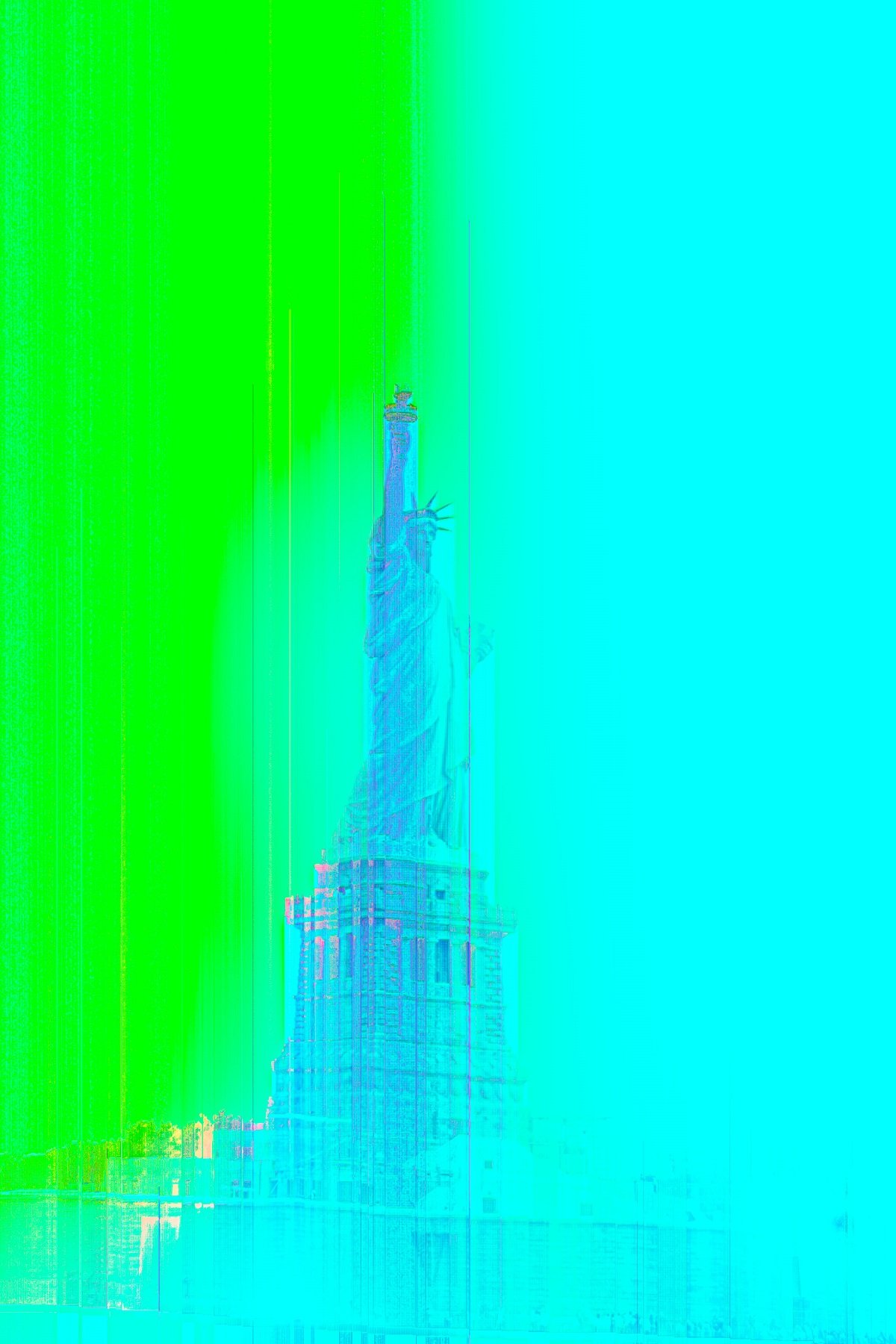
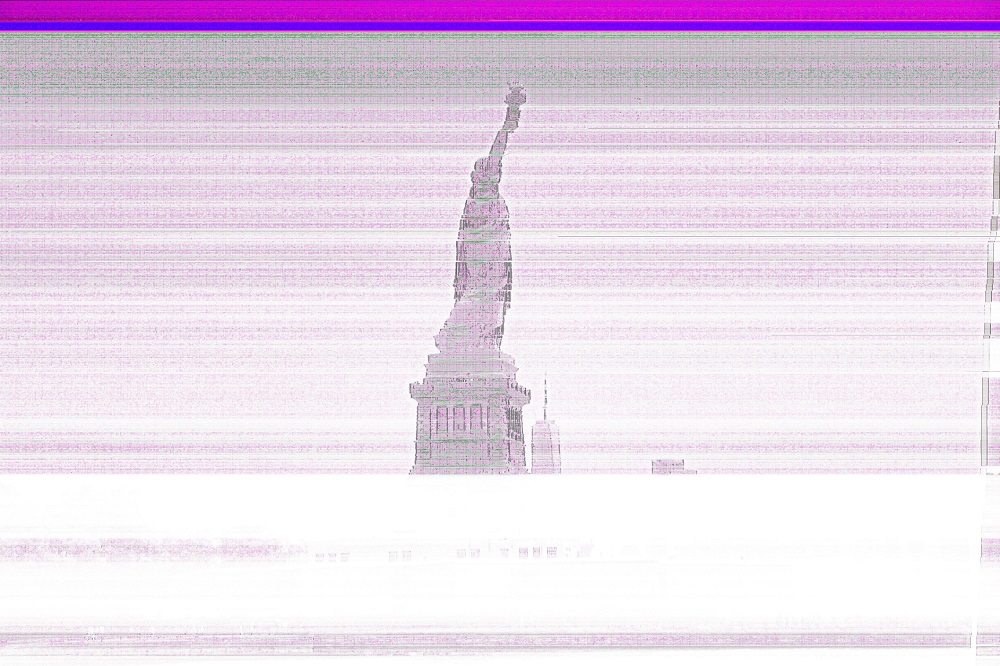
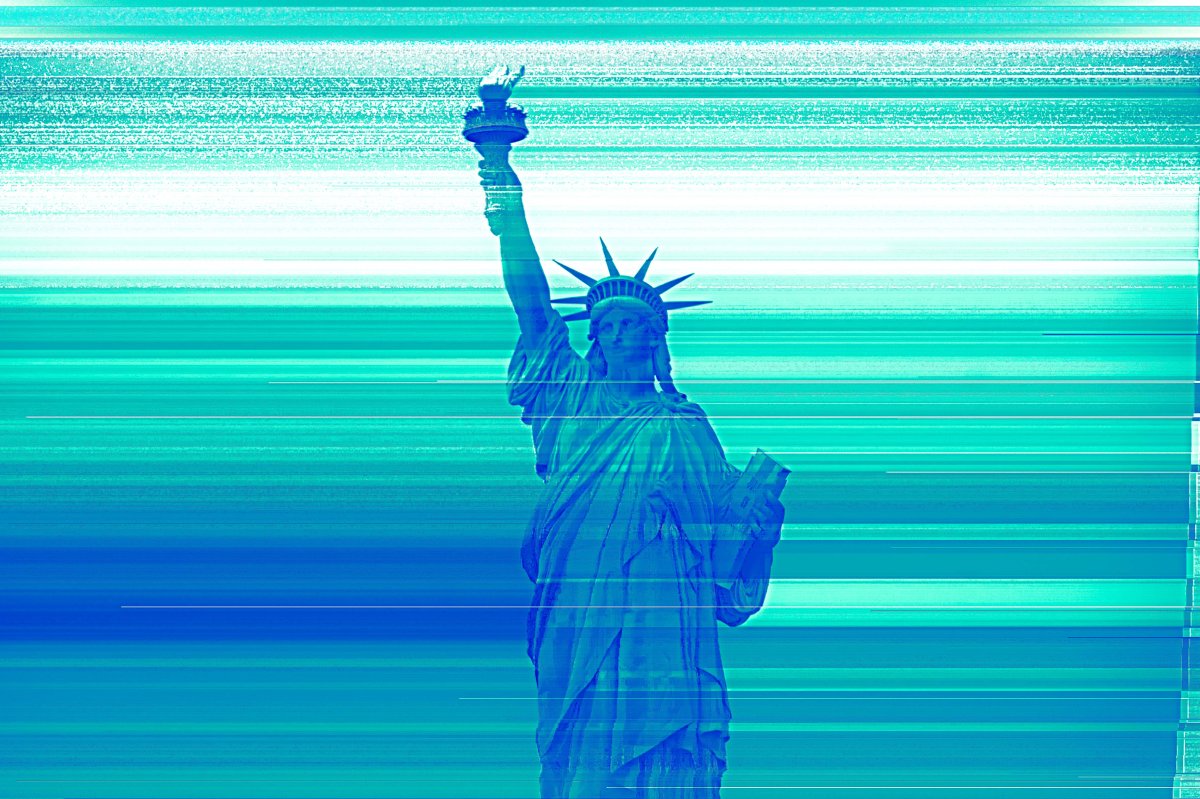
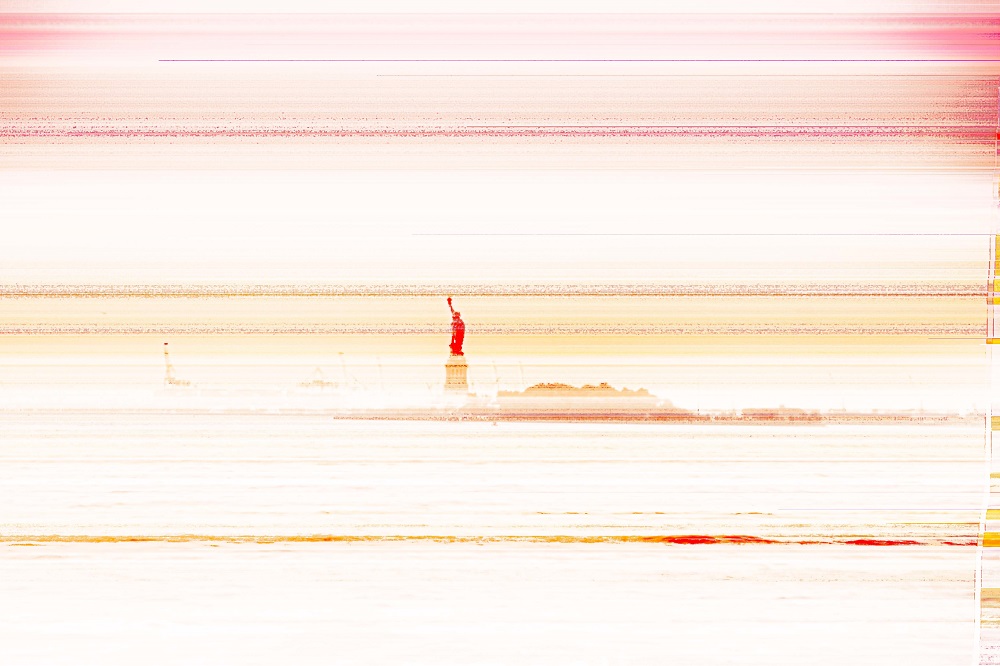
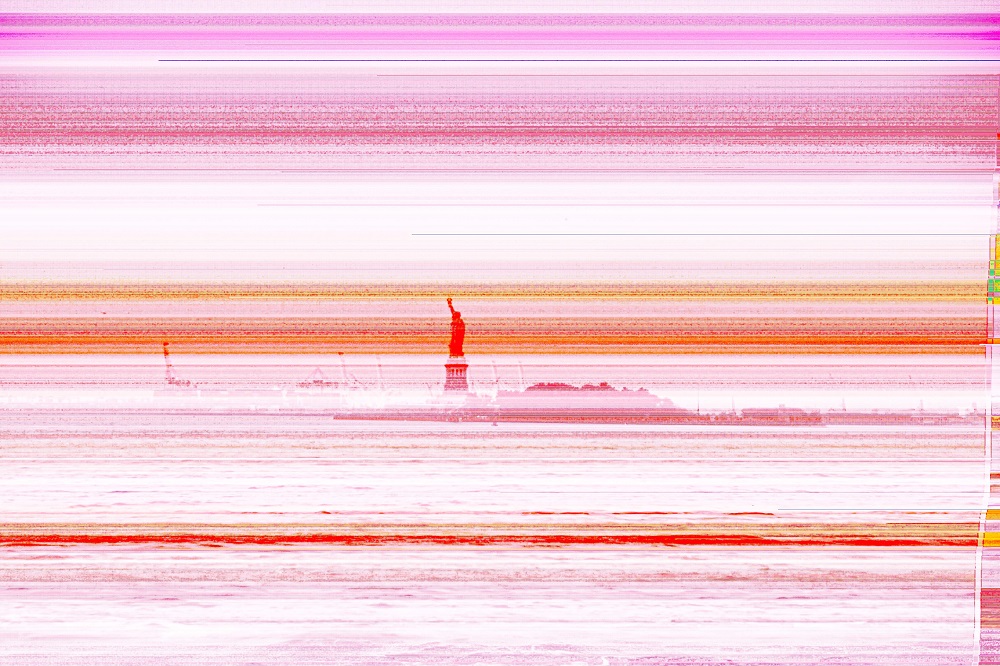
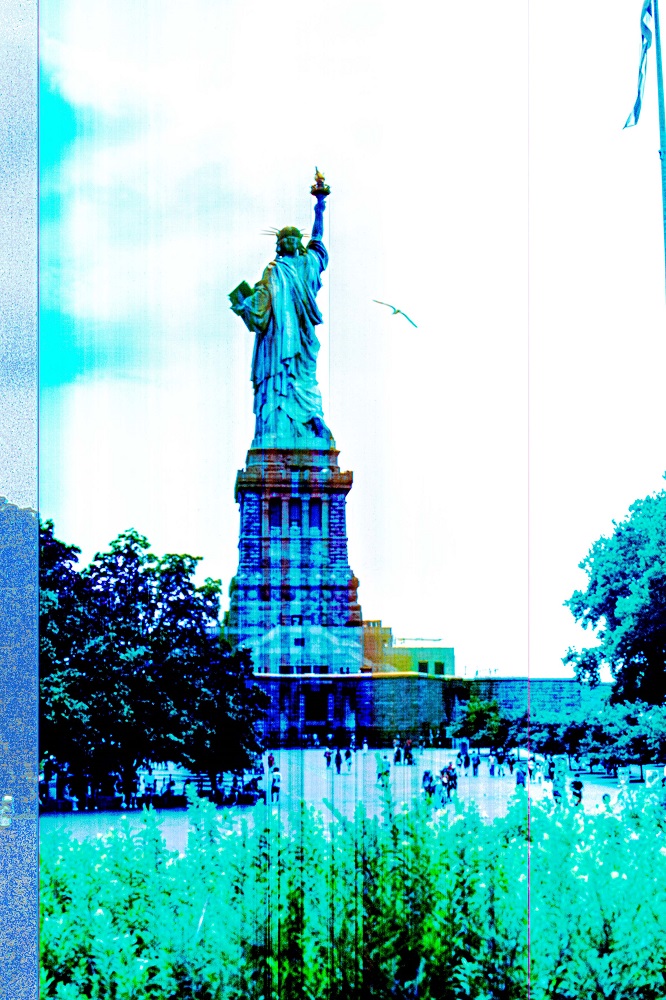
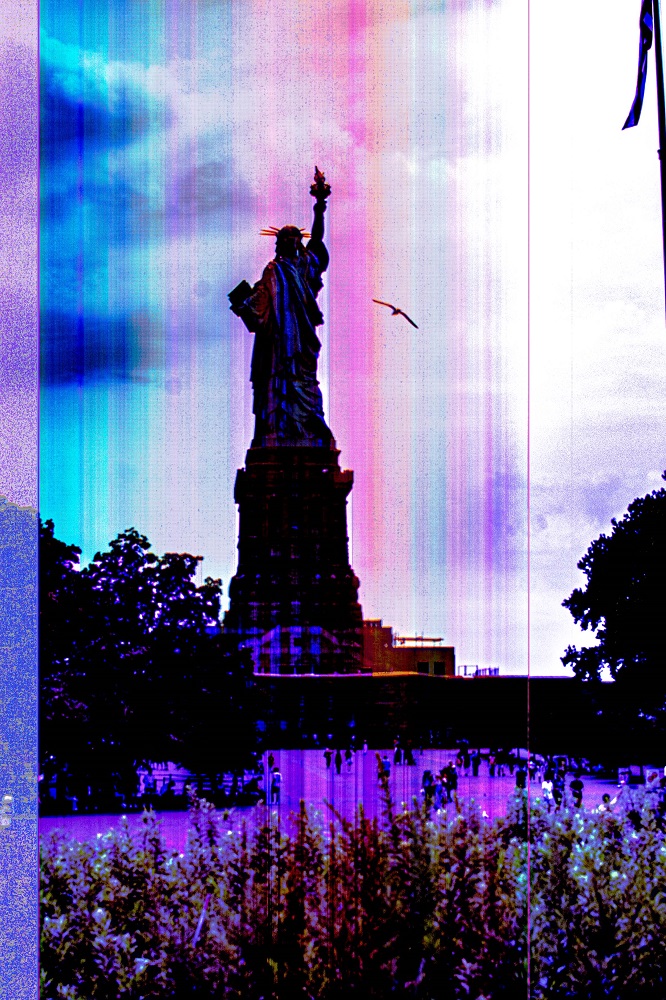
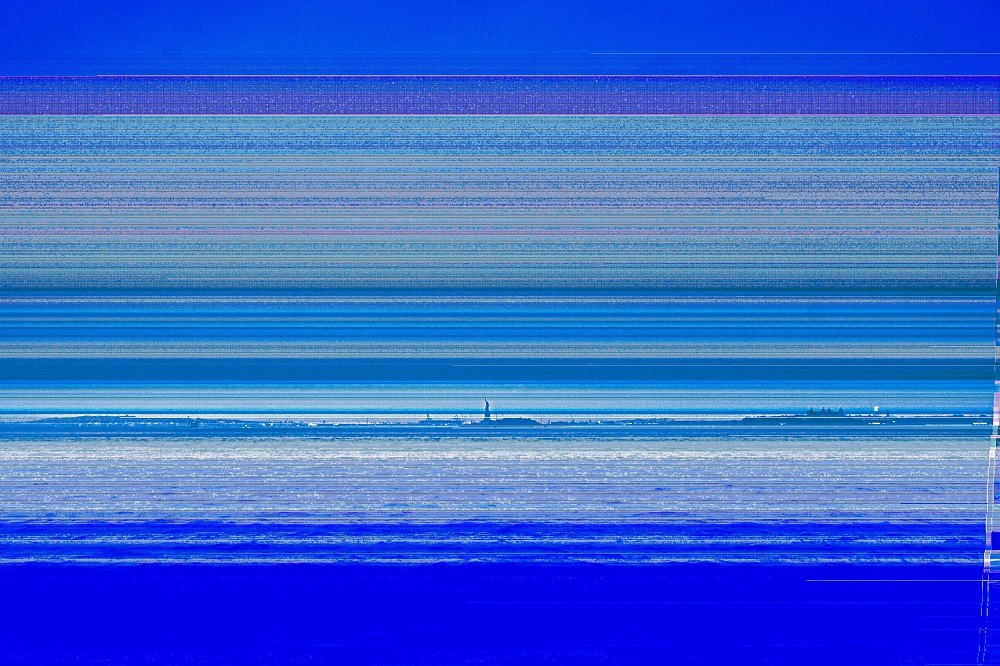
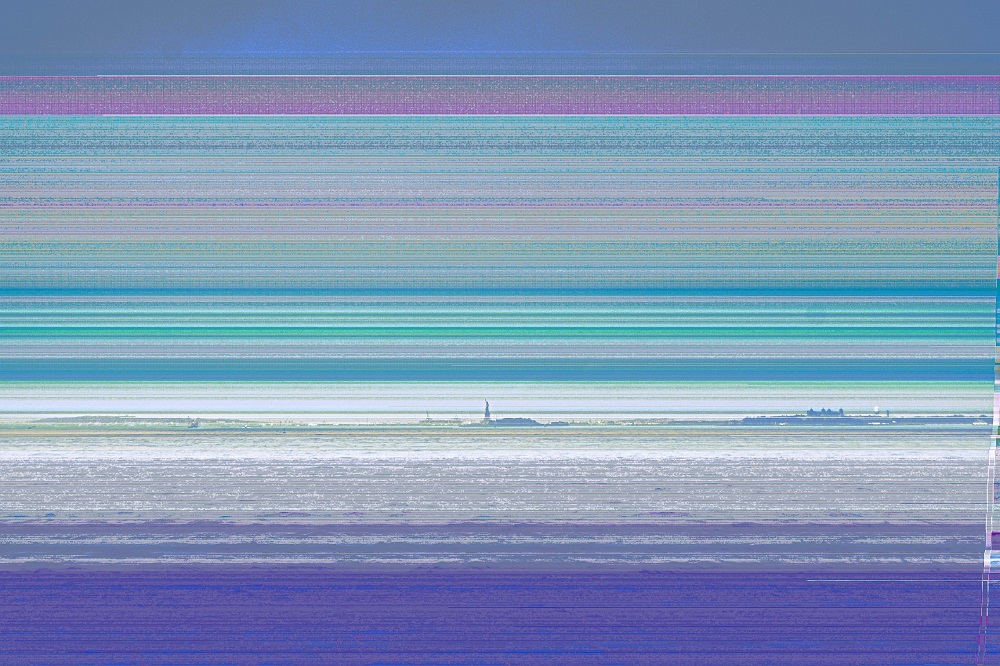
But as soon as the NEF file passes through Photoshop adjustments — contrast, saturation, curves, levels — something happens: the subject begins to withdraw from the image. In each of the four chromatic variations, blue, red, violet, or green, the original form gradually dissolves into texture, grain, and digital noise.
We are no longer looking at the building, but at color itself. It is no longer a photograph of a place, but the raw material of the file, pushed to its breaking point. The subject does not disappear completely — it remains as a hollow, a ghost, a trace — but it is no longer the object of the gaze.
CHROMA explores this shift: the moment when an image stops representing and becomes a sensory experience. The original subject becomes nothing more than a starting point, a pretext, a memory of form within a material that has become abstract.
Digital processing: Adobe Photoshop